

Materials explained
Weather-Resistant Outdoor Furniture: Materials, Care & Protection
The best weather-resistant outdoor furniture for your patio should suit both the weather it faces and the care you are willing to give it. Aluminum, teak and all-weather wicker offer different ways to achieve that balance.
Start with aluminum if accessible surfaces and straightforward frame cleaning matter most. Consider teak if you want natural wood and understand how its appearance develops. Choose all-weather wicker if you prefer woven texture and are comfortable cleaning between the strands. Then compare the cushions and protection: they determine much of the day-to-day experience, whatever frame you choose.
Below, we explain these trade-offs and how they translate into Outer seating options, from the frame you see to the fabric you touch and the cover you use between gatherings.

What Type of Patio Furniture Is the Most Weather Resistant?
Weather-resistant patio furniture works best when its material strengths match the conditions and habits of the household. The table below gives you a starting point; the sections that follow explain why each trade-off matters.
The most useful comparison is therefore not a single winner. It is which combination of appearance, construction and maintenance suits the way you want to use your patio.
| Material | What makes it useful outdoors? | What the material name leaves out | Who is it a good fit for? |
|---|---|---|---|
| Powder-coated aluminum | The metal has natural corrosion resistance, with an applied finish providing additional surface protection. | Connections, finish damage and exposure to salt still matter. | You prefer a clean-lined frame and accessible surfaces for cleaning, while allowing for routine checks. |
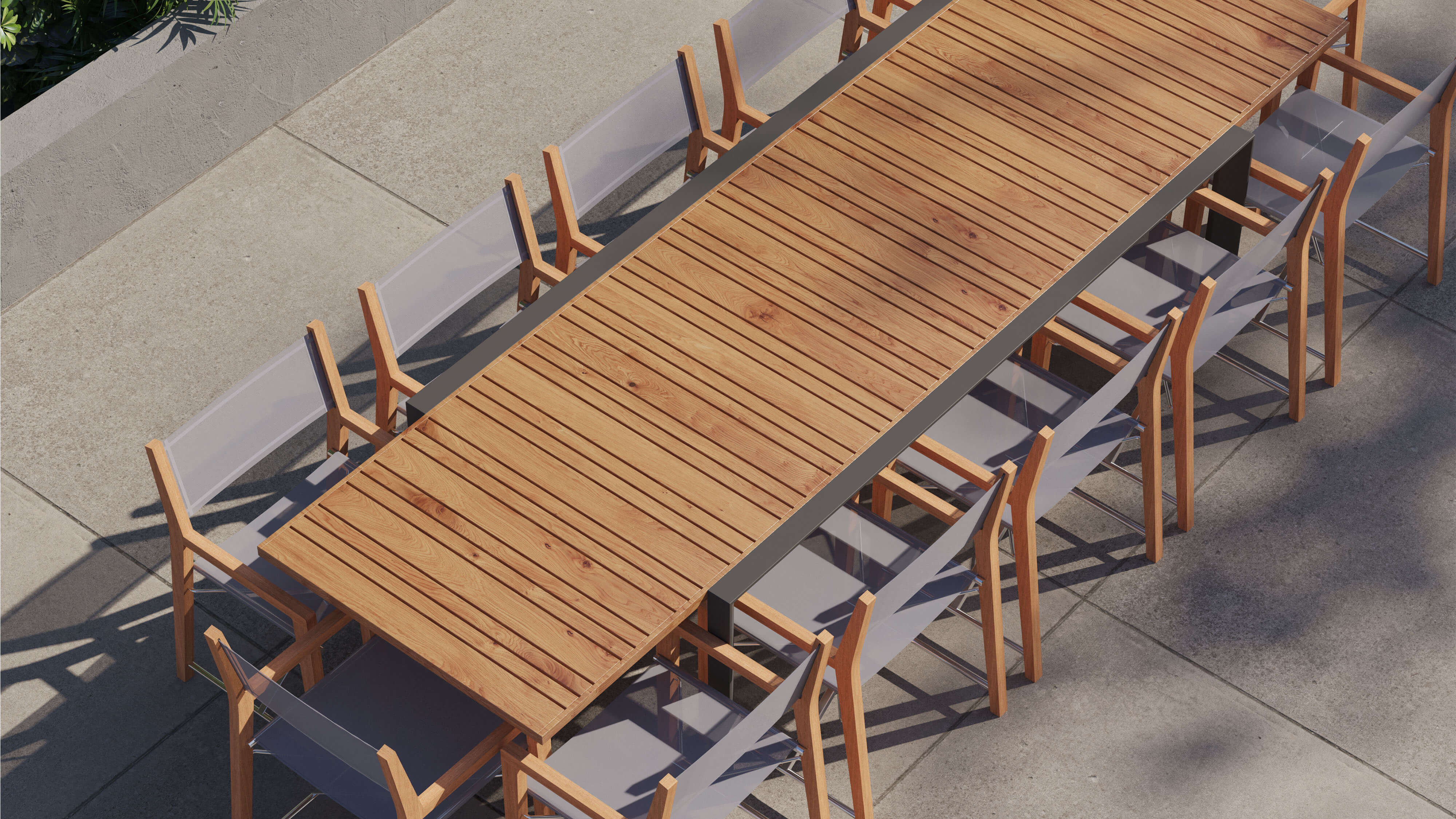
| Teak | A durable timber used in outdoor furniture, with a surface that weathers over time. | Natural color change is different from joint failure or structural cracking. | You value natural wood and either welcome its silver patina or are willing to maintain its original color. |
| All-weather wicker | Outdoor-grade synthetic strands provide a woven alternative to natural rattan. | The strand specification, condition of the weave and underlying frame are separate considerations. | You want woven texture and are comfortable removing debris from the weave as part of regular care. |
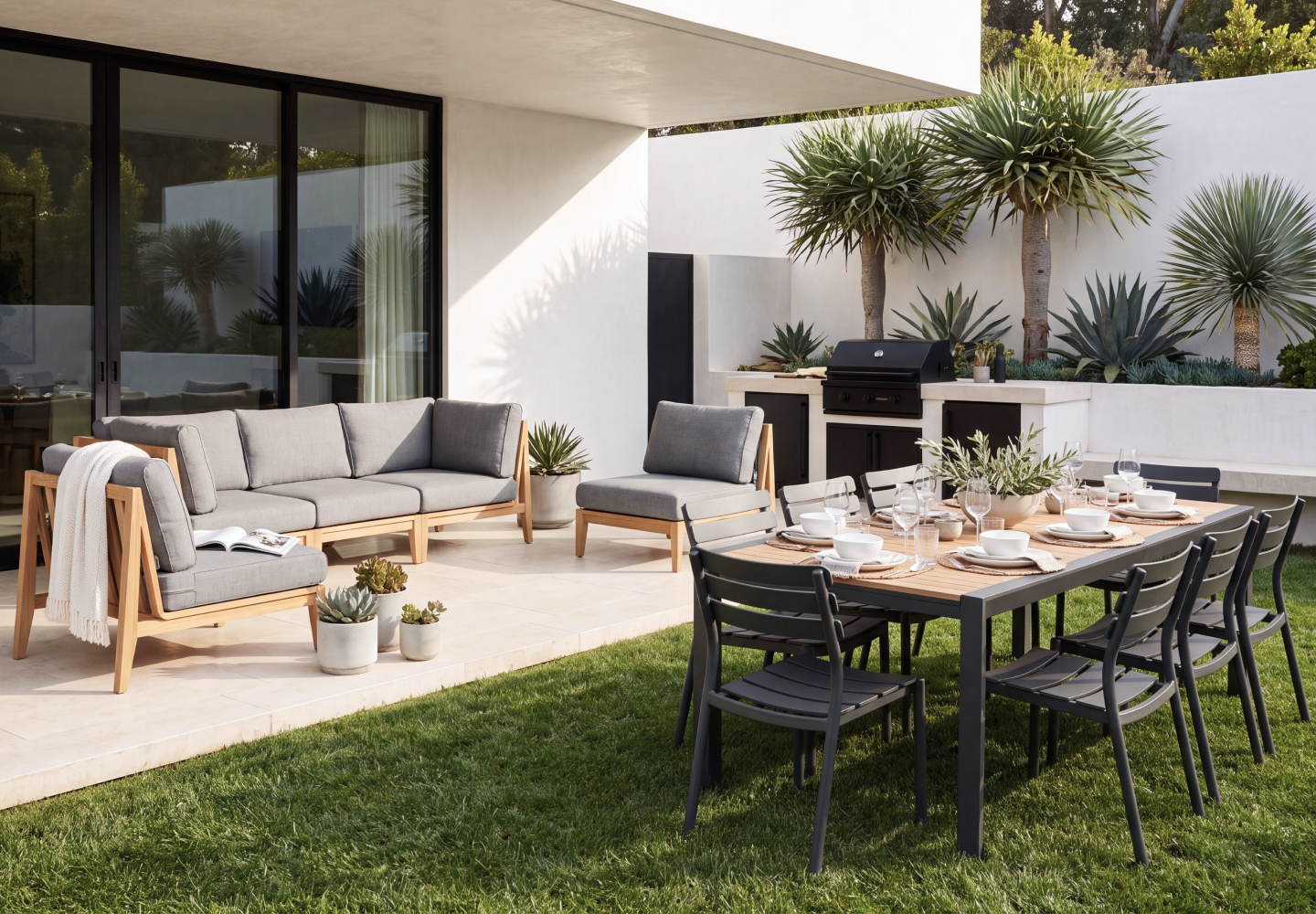
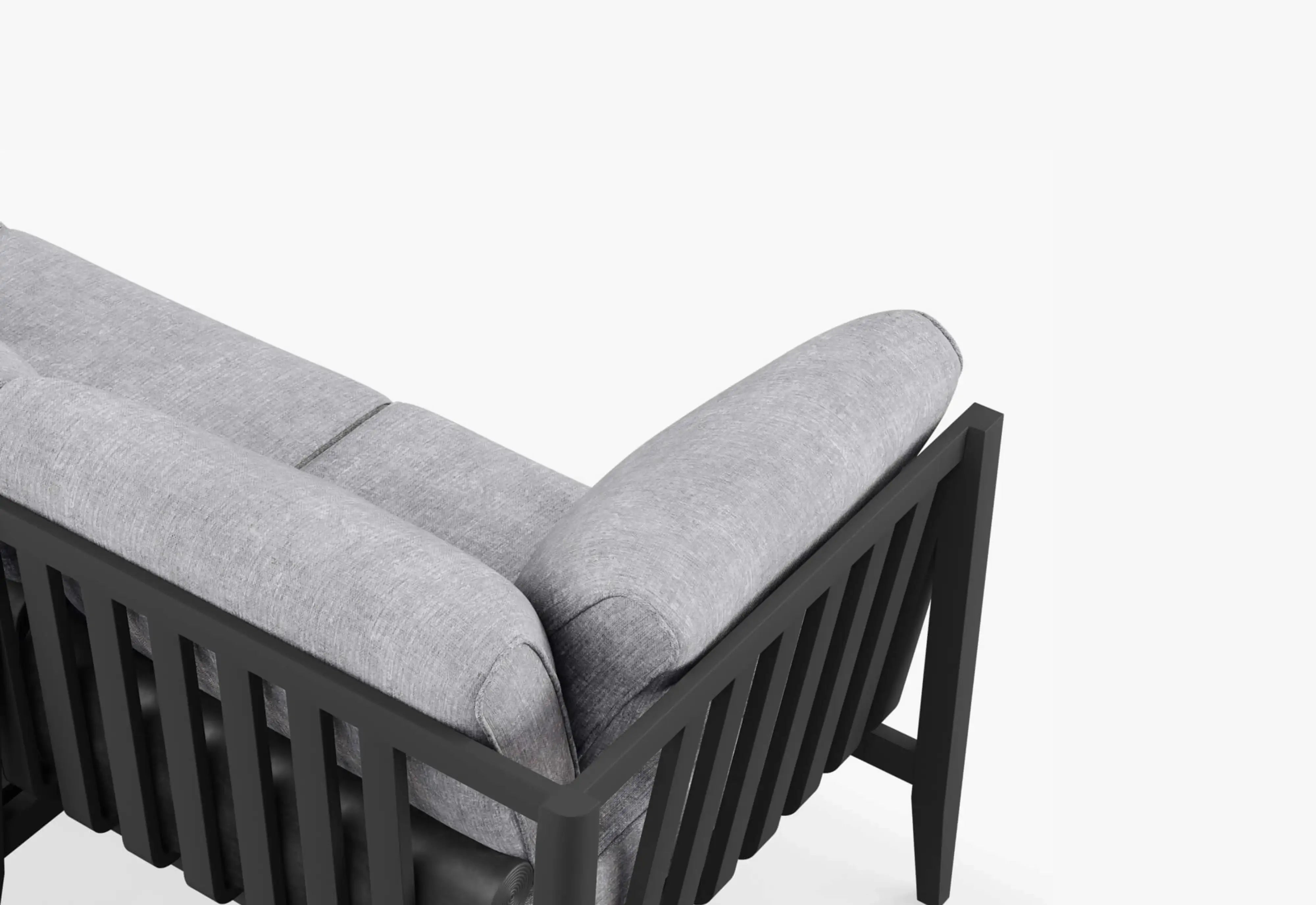
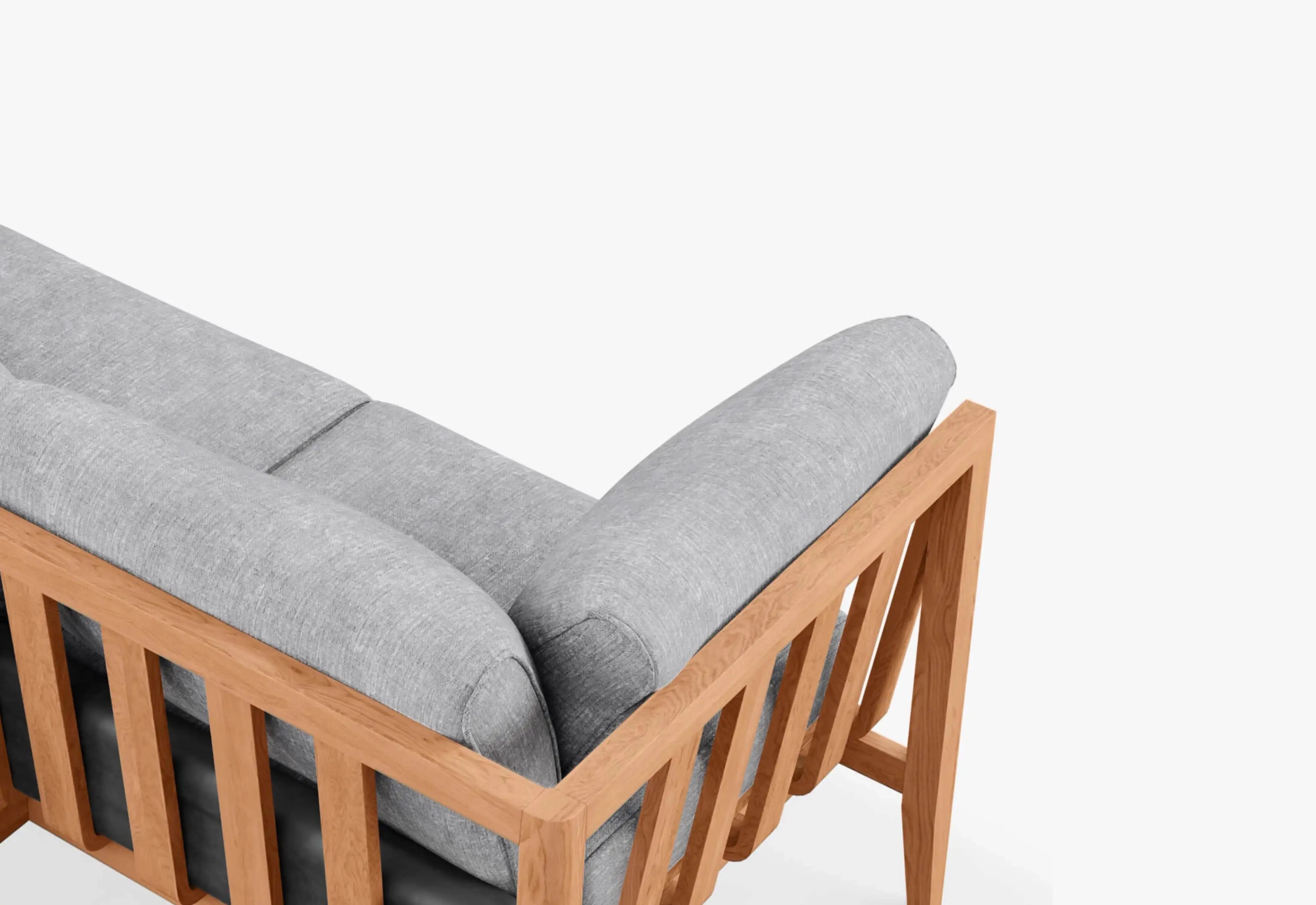
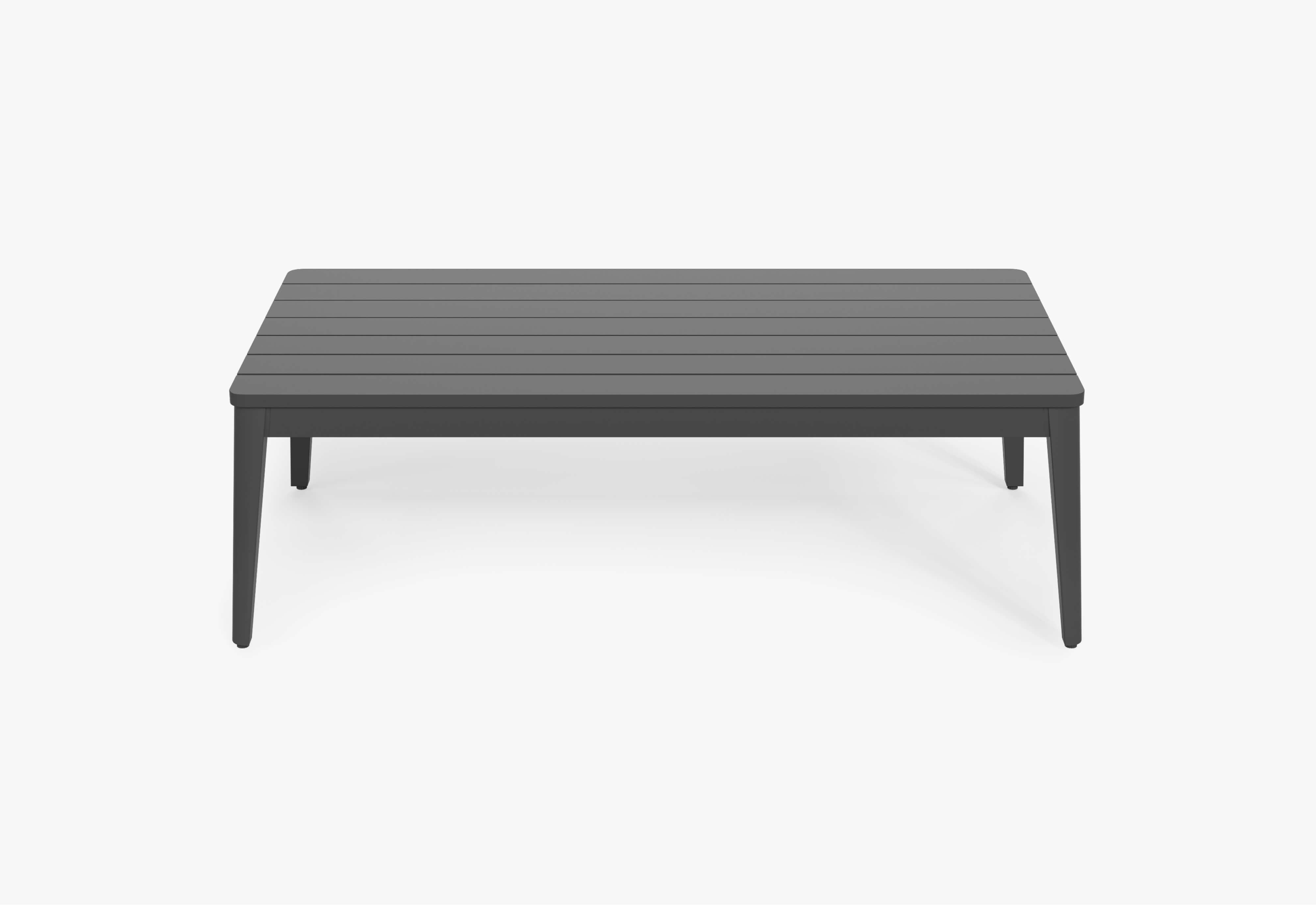
 Powder-Coated AluminumClean lines and accessible frame surfaces.
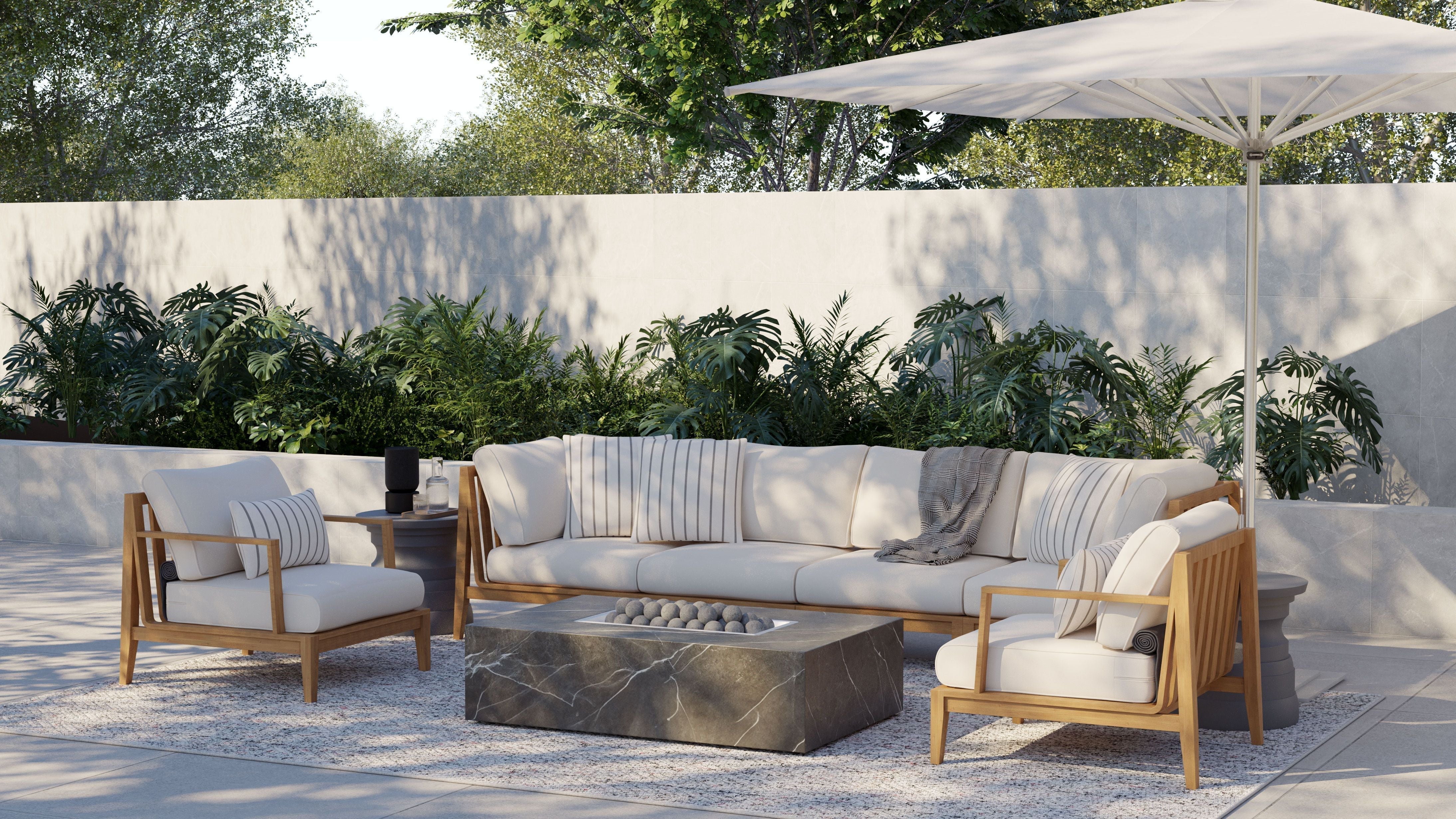
 Grade A TeakNatural warmth with an evolving patina.
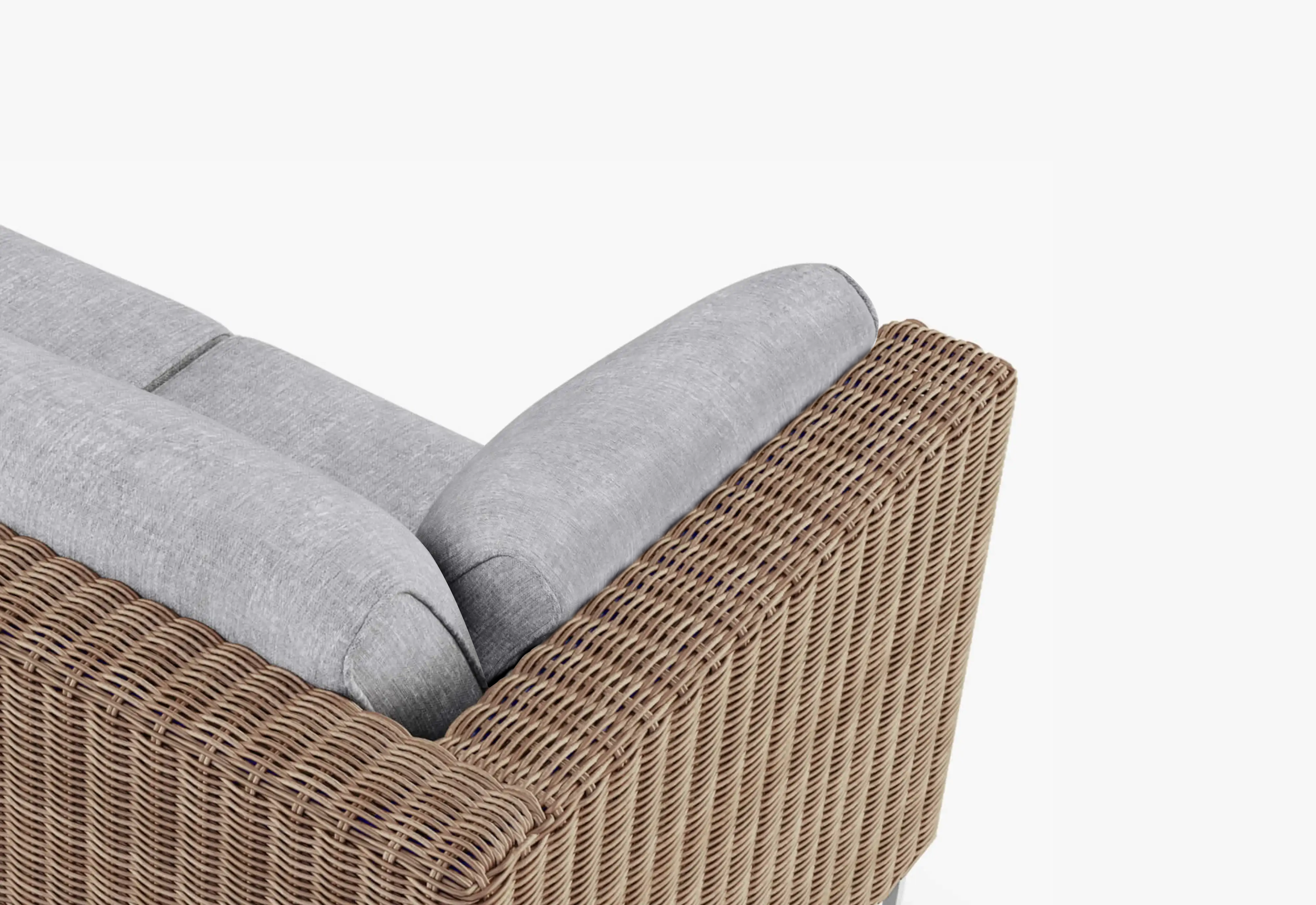
 All-Weather WickerWoven texture over an outdoor-ready frame.
Aluminum: A Practical Choice for Straightforward Frame Care
Aluminum forms a thin oxide layer that helps protect its surface. It does not develop the familiar iron rust associated with steel, but that does not make it immune to corrosion. A powder-coated finish adds another barrier between the metal and its surroundings.
A furniture frame is an assembly, not just a piece of metal. Its coating, joints and fasteners all contribute to its condition. Salt residue and moisture around a connection deserve attention even when the visible armrest looks clean. A durable frame therefore combines suitable construction with a care routine that reaches those less visible areas.
For an owner, the implication is specific: remove residue as directed, notice coating damage, and inspect accessible connections instead of judging the entire piece by a clean armrest. Aluminum can offer an easy-to-clean frame without being a furniture set you never need to examine.
Outer’s aluminum collection pairs powder-coated frames with cushioned seating and built-in OuterShell® protection. That connects two practical needs: a frame you can clean and seating you can cover between uses. If that balance fits your patio, compare Outer aluminum sofas and sectionals by size and finish.
Teak: Natural Warmth with an Appearance That Evolves
Teak creates a different decision. Outdoors, untreated wood gradually develops a silver-gray surface. The speed and appearance of that change depend on exposure; different parts of a piece need not weather identically.
A gray surface is not, by itself, evidence that the table or chair has failed. Likewise, a small cosmetic crack and a crack that affects structural integrity should not be treated as the same condition. Outer’s warranty makes that distinction for teak.
This gives you two appearance choices. If you enjoy a silver patina, you can allow the color to develop while continuing normal cleaning. If retaining the original golden tone is important, appearance care becomes part of the purchase decision. Use the treatments specified for your product rather than assuming any oil or sealer is appropriate.
Consider a dining table as an example: accepting its gray color does not mean accepting food residue or a loose joint. Color preference, surface cleanliness and stability remain three separate considerations. Teak’s appeal is easier to assess when they are not collapsed into “the wood looks old.”
Outer’s teak collection offers that natural wood character alongside cushioned, modular seating. If you want a warmer frame and are comfortable with its evolving patina, explore Outer teak sofas and sectionals. Compare the configuration you need as well as the appearance you prefer.
All-Weather Wicker: Woven Texture with an Outdoor-Ready Frame
Wicker describes a way of weaving, not one raw material. Two chairs can share a similar woven appearance while using different strands and frames. Natural rattan and an outdoor-rated synthetic weave should not be assumed to perform alike simply because they look similar.
Evaluate a woven piece in two parts. First, establish what the strands are made from and whether they are specified for outdoor use. Then consider the frame that carries the load beneath them. A sound weave does not establish the condition of that frame, and a sound frame does not prevent broken strands from affecting appearance or comfort.
The weave also changes cleaning. A smooth rail is easy to wipe; intersecting strands create recesses where leaves, pollen and other debris can remain. This does not make wicker unsuitable. It means the care routine should include those recesses, especially where the furniture sits beneath trees.
Outer’s handwoven all-weather wicker seating uses an aluminum frame beneath the weave, bringing the material decision back to texture and cleaning access as well as structure. Read how rattan and all-weather wicker differ, or compare Outer wicker sofas and sectionals if woven texture is the look you want.
Weather-Resistant vs. Weatherproof: Why a Sofa Can Survive Rain but Still Be Wet
Imagine a shower passing over an uncovered patio. Water lands on the frame and fabric. Some runs off; some remains on horizontal surfaces or around seams. Depending on the cushion’s construction and exposure, moisture may reach its interior. The frame and cushion are experiencing the same rain, but they do not necessarily recover in the same way.
Weather resistance describes how something handles exposure. It does not, on its own, tell you when the whole furniture set will be ready to use again. A sound frame answers “Will it support me?” A dry cushion answers “Can I sit here comfortably now?” Those are separate questions.
Water beading is only a surface observation
Droplets sitting on fabric show how that surface is behaving at that moment. They do not demonstrate that the completed cushion is sealed. Fabric panels, stitching, closures and the underside form a construction with more potential moisture paths than a flat fabric sample.
That is why “water-resistant fabric,” “quick-drying cushion” and “waterproof cover” describe different functions. The first helps limit wetting at the surface; the second concerns moisture leaving a cushion; the third concerns a barrier against water under its specified conditions. One property does not automatically establish the other two.
For a cushioned sofa, ask two practical questions: how is water kept out, and how can moisture leave if it gets in? A useful explanation of outdoor performance should address both.
“Weatherproof” is often used as a broad shopping term. In practice, its value depends on the component and conditions being described. For a whole furniture set, look beyond the label to the frame, finish, cushion construction and protection routine.
How Outer Connects Weather Resistance with Everyday Comfort
If your main frustration is a damp seat before breakfast, changing frame materials alone will not solve it. Equally, furniture that stays dry but feels uncomfortable does not deliver the outdoor time you bought it for. The sitting surface, support underneath and protection between uses need to work together.
OuterWeave®: the surface you touch, clean and see
On a cushion, the fabric has several jobs. It needs to feel pleasant against your skin, handle everyday spills and retain its appearance through outdoor use. Water resistance is one part of that job; softness, color retention and cleanability also affect whether you enjoy using the furniture.
OuterWeave® performance fabric uses solution-dyed yarn, with color incorporated into the fiber rather than only applied at the surface. It is designed to resist water, stains and fading. Removable cushion covers can be washed according to the instructions for the specific product, so dealing with a dirty cover does not automatically mean replacing a cushion.
That is particularly relevant if you use the patio for coffee, meals or time with family: you are choosing a surface you will touch and clean regularly. A photograph can show a color, but it cannot communicate the feel of the fabric in your hand. Request Outer fabric swatches to compare texture and color in your own space before choosing a sofa.
OuterCloud®: comfort and support beneath the fabric
A soft surface and a supportive seat are different things. Fabric affects the contact with your skin; the cushion underneath affects how your weight is supported. Evaluating only the upholstery misses that second part of the experience.
OuterCloud® cushions combine memory foam with supportive foam layers. The purpose is to bring softness and support together, rather than asking the frame material to explain the whole sitting experience. When comparing an Outer configuration, consider this cushion system alongside the dimensions and frame you prefer.

Moisture protection is a separate responsibility. OuterWeave® is water-resistant, but it is not a full weather cover. OuterShell® protects between uses, while a fitted full cover has a role during extended exposure. If a cushion does become wet, uncover it and allow it to dry fully before covering or storing it; a dry-feeling top does not establish that every part is dry.
Why mildew resistance still involves cleaning
Pollen, crumbs and other debris can collect on an outdoor cushion. Even a fabric designed to resist mildew can carry deposits that support it. This explains why brushing away debris is more than a cosmetic task, and why covering a dirty, damp cushion does not fix the condition underneath.
Outer’s approach combines a cleanable fabric surface with protection you can deploy between uses. You still remove existing dirt and allow wet pieces to dry. The benefit is that protection helps limit what reaches the seating surface next, making the routine easier to maintain.
Match Your Choice to the Conditions on Your Patio
Two homes in the same city can have very different furniture routines. One sofa may sit beneath a roof with space around it; another may be beneath a tree, close to irrigation and exposed to rain. The second setup has additional sources of moisture and debris even before regional climate enters the discussion.
Ask what repeatedly reaches the furniture: direct rain, salt residue, leaves, irrigation water or strong sun. Then ask what happens afterward: is there room to separate wet cushions, does the furniture remain shaded and damp, and do you have space for off-season storage? Those answers connect the material comparison to your actual use.
For regional considerations, continue to the outdoor furniture guide by climate.
Make Daily Protection Part of the Furniture You Choose
The benefit of built-in protection is practical: protection is at the seat when you finish using it. You still deploy it, but you do not first have to find and unfold a separate full-furniture cover for that everyday task.
OuterShell® is intended for daily cushion protection against elements such as dew, light rain and debris. A fitted All-Weather Cover covers more of the compatible furniture configuration for longer exposure and seasonal use. The distinction is the area protected and the job each cover is intended to do.

For spring, summer and fall use, deploy OuterShell® over clean, dry cushions when the furniture is not in use. For winter snow, plan a fitted full cover and appropriate off-season storage. Longer wet periods and severe conditions also require following the product’s protection and storage guidance; the calendar alone does not determine the right step.
The order matters when cushions are already wet: uncover and dry them first. Closing a cover is a protective step, not a drying method. Outer’s care requirements within the limited warranty call for clean, dry furniture before covering for storage, with dry storage for cushions where possible.
The goal is a routine you can realistically repeat: remove debris, protect dry seating between uses, and give wet components time and airflow before covering or storing them.
Know What You Are Buying for the Years Ahead
A frame, cushion and protective cover do not necessarily reach the same condition at the same time. This matters when you compare value: a worn fabric cover and a damaged frame are different problems, with potentially different remedies.
Outer’s limited warranty explains coverage by product and component, including the distinction between normal teak weathering, normal cushion compression and covered defects. Review the relevant entry for the configuration you are considering, rather than treating one headline warranty period as coverage for every part.
If future replacement is important to your decision, ask about the specific cushion cover, insert or hardware for your model before purchasing. Compatibility, availability and cost need to be confirmed separately from warranty coverage. That gives you a clearer ownership picture without relying on a universal lifespan claim.
Common Questions About Weather-Resistant Outdoor Furniture
Which material is best if I want less maintenance?
Powder-coated aluminum is a useful starting point for an accessible, wipeable frame. But compare the complete seat: cushions, covers and the exposure at your patio can create more work than the frame itself. Teak adds an appearance choice; wicker adds recesses to clean.
Does gray teak mean the wood is wearing out?
Not on its own. A silver-gray surface is a natural weathering change. Check stability, joints and any significant cracking separately rather than using color as the sole measure of condition.
Can a water-resistant cushion still get wet inside?
Yes. A surface property does not establish that the complete assembly is sealed. Construction and exposure affect moisture entry, while the filling, drainage path and airflow affect drying.
Can outdoor furniture stay outside all year?
The answer depends on the product instructions, protection and conditions. Year-round placement does not mean year-round neglect: plan cleaning, drying, fitted covers and off-season storage, including sheltered storage when conditions call for it.