


A Seat for the Whole Family
Outdoor Seating for Family Gatherings: Make Room for Every Generation
A family afternoon outside can include several ideas of a good seat. Someone wants to sit upright and catch up. Someone else settles into a sofa with their feet up. Another person would rather have an armchair of their own.

Planning outdoor seating for family gatherings starts with those differences. A useful arrangement gives people choices while keeping everyone part of the conversation. It also makes the ordinary moments easy: setting down a glass, standing up, or walking back to the house.
Here is how to compare the seats themselves, choose a furniture mix, and check the arrangement before you buy.
The short answer: Compare shared sofa seating with a few independent chairs. Check usable seat depth, cushion feel, back support, and arm placement with the people who will use them. Then account for every guest, a usable surface for drinks, and a route in and out while the furniture is occupied. A sectional can work well, too; look closely at its corner, middle, and end positions before deciding where everyone will sit.
01 / Everyday Preferences
Start With the People Who Use the Space
Think about an ordinary evening first, then the occasions when more of the family comes over. The furniture should serve both without leaving your everyday patio crowded with seats you rarely use.
Ask the people who regularly spend time outside how they like to sit:
- Upright and involved. They want to face the conversation, rest against the back, and set down a drink without shifting far forward.
- Reclined or stretched out. They enjoy a deeper lounging position, perhaps with a separate place to rest their feet.
- In a seat of their own. They prefer personal space, armrests on both sides, or an independent way to join and leave the group.
These preferences do not belong to particular generations. Two people of a similar age may choose very different seats. A relative who enjoys a deep sofa at home may want a different position for an outdoor meal or a long conversation.
Use those preferences to build a short list of seating needs. Guest count comes next: how many people should be able to sit in the lounge at the same time, and which seats will they actually want to use?
02 / Compare the Sitting Experience
Compare the Seat, Not Just the Sofa Dimensions
Overall dimensions tell you whether a piece may fit on the patio. They do not tell you exactly how it will feel once you sit down.
A sofa's total depth includes the frame and back. Usable seat depth is the space available in front of the back cushion. Cushion shape and compression affect that space in use. Two pieces with similar outside dimensions can feel different; two pieces with different frames may feel surprisingly alike.
Use the specification sheet to narrow your options, then compare the experience.
| What to compare | Why it matters | What to check when you sit |
|---|---|---|
| Usable seat depth | Determines how far you sit back before meeting the back cushion | Can you sit in your preferred position while using the back comfortably? |
| Seat height in use | The cushion and frame together determine your sitting position | If you prefer your feet on the ground, can you sit that way without moving to the front edge? |
| Back cushion and angle | Affect the difference between upright conversation and relaxed lounging | Do you feel comfortable facing another person, or do you keep rearranging yourself? |
| Cushion response | A soft first impression may feel different after settling into the seat | Do you like the feel after changing position, reaching for a drink, and sitting back? |
| Arm placement | Sofa ends, middle seats, and individual chairs offer different places for your arms | Are the arms where you naturally want them, and do they suit the way you normally stand up? |
If a dimension is unclear, ask how it was measured. Confirm whether a seat-height figure includes the cushion and whether a depth figure describes the entire piece or the usable seating area.
A loose pillow can change how a seat feels, but it is worth choosing furniture you already find comfortable. A setup that requires constant rearranging may become frustrating during a long afternoon together.

03 / Shared and Individual Places
Choose a Mix of Shared and Individual Seating
A straight sofa creates a shared place to settle in. Independent armchairs give people their own positions. A sectional brings connected seating around a corner. Each arrangement changes the experience of particular seats.
A sofa with armchairs offers a clear comparison between sitting together and sitting separately. It can also provide an open side for entering the group. A middle sofa position usually has no adjacent sofa arm, while an end position has one on its outer side.
A sectional with separate chairs can suit a family that enjoys shared lounging. Check the corner position carefully: its orientation and the route past neighboring seats may differ from an end position. Give guests a choice outside the connected arrangement if they prefer an independent seat.
Mostly individual chairs can work when personal space is a shared preference. They also require a careful footprint check. A group of full-size armchairs may use more space than expected once tables and routes are included, and it changes the shared-sofa experience some families enjoy.
An armchair is not automatically shallower, firmer, or higher than a sofa. Pieces within a collection may have similar seat dimensions and cushions. The benefit may be personal space and arm placement rather than a different cushion feel.
Explore outdoor sofas and seating configurations with your family's preferences beside you. Compare the actual seats within each arrangement, including the middle and corner positions.

04 / Count the Seats
Two Arrangements to Compare for Six or Eight
The following examples show how a guest count can translate into furniture. They are illustrative arrangements, not measured floor plans or descriptions of everything included in a particular product package.
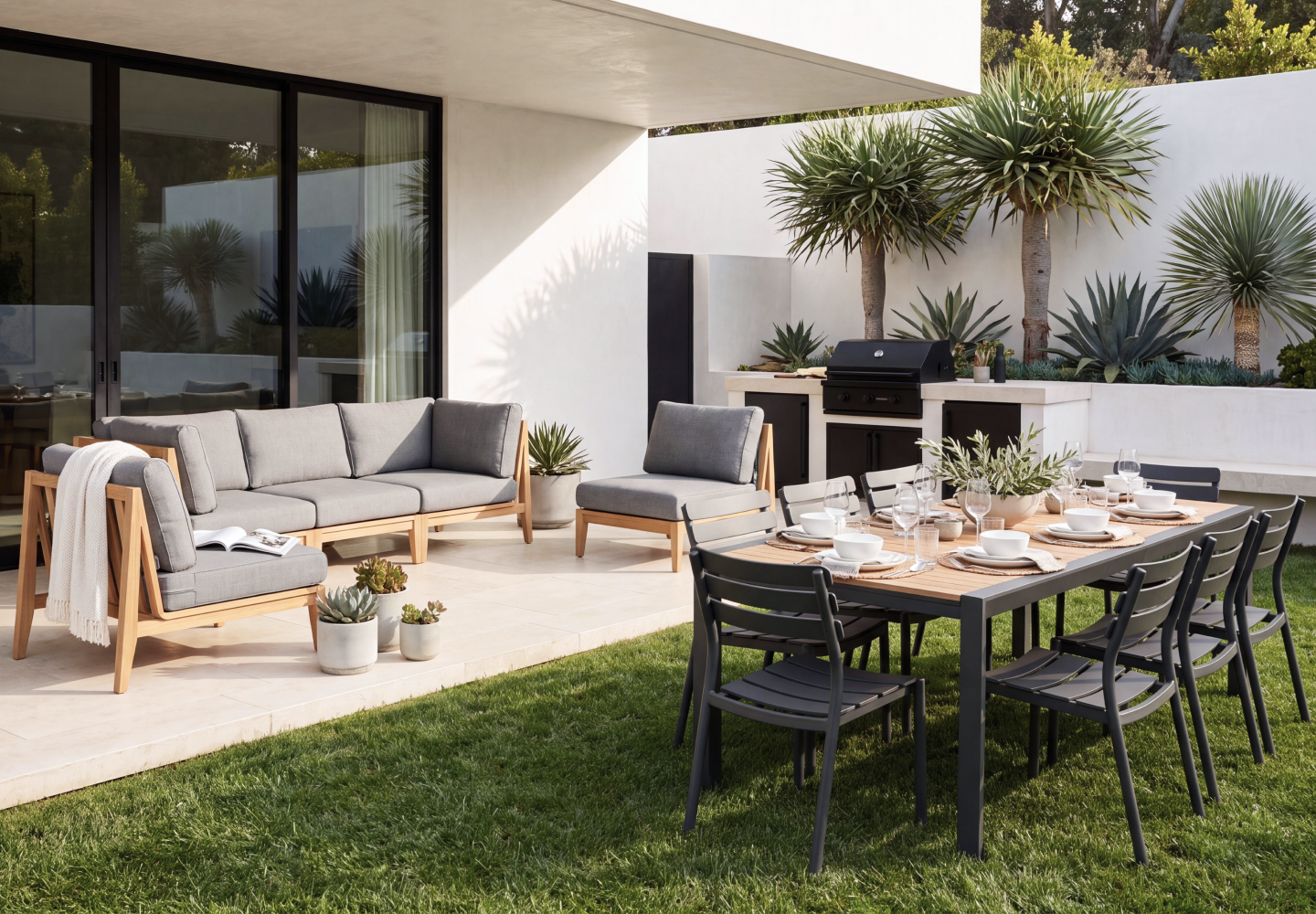
For six: a four-seat sofa and two armchairs
Four sofa places plus two individual armchairs provide six seats. Start by placing the sofa and chairs around a shared conversation area, leaving an opening connected to the route from the house.
This arrangement gives two people independent seats while keeping a larger shared sofa. Check whether four people will be comfortable on that sofa together, especially if some prefer extra elbow room. A six-seat label does not replace that discussion.
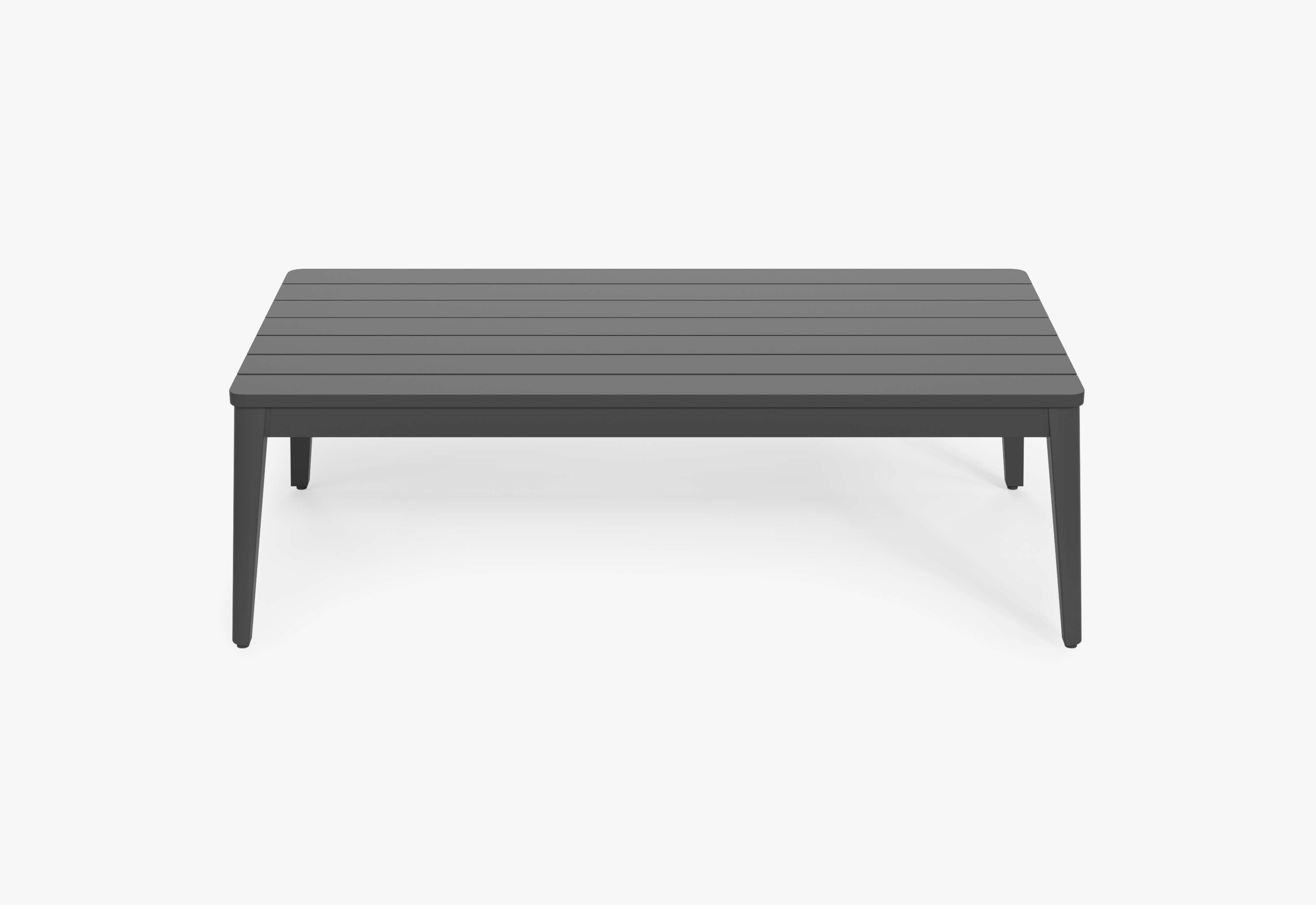
Include a coffee table where useful, then test the sofa ends and armchairs for convenient drink placement. A side table may serve a position the central table does not reach comfortably. Keep the tables out of the opening people use to enter.
For eight: two three-seat sofas and two armchairs
Two three-seat sofas plus two individual chairs provide eight seats. Facing the sofas toward one another can create a shared conversation area. The chairs can complete one end if the actual patio has room, while an opening elsewhere connects the group to the house.
This option offers more shared seating, but only two independent chairs. If more guests prefer their own seat, change the mix rather than assuming the larger sofa count solves the problem.
Also check the distance between the people on opposite sofas. A layout can look balanced in a photograph yet place people farther apart than they enjoy for conversation.
| Arrangement | Seats counted | Main choice to check |
|---|---|---|
| Four-seat sofa + two armchairs | 4 + 1 + 1 = 6 | Does the balance of shared and independent seating suit the group? |
| Two three-seat sofas + two armchairs | 3 + 3 + 1 + 1 = 8 | Are the middle sofa seats, conversation distance, and entry route comfortable? |
Use the dimensions of the exact furniture you are considering before drawing either arrangement to scale. Include tables and the space needed when people are sitting. For a broader look at groups and patio flow, see our garden party seating ideas.
05 / Bring the Plan to Life
Test the Seats and the Layout Together
Compare the furniture in person where possible, then test its proposed placement at home. Outer’s experience options can help you explore the seating; confirm which configurations are available to try.
First, compare how you sit
Try the sofa’s middle and end positions as well as a separate chair. Settle against the back, sit upright for conversation, and then relax. Compare where your arms naturally rest and how the cushions feel after changing position. Stand up as you normally would.
Give regular users a chance to make their own assessment. If someone cannot join the visit, ask what they like or dislike about the seating they already use. Record the exact pieces and dimensions you compared, because another configuration may change the experience.
Then, check each position at home
Mock up the proposed footprint with existing furniture and removable markers suitable for your patio surface. Include the tables. Ask people to sit with their feet and legs where they would normally put them.
Check each position for a place to set a glass. Someone in the middle of a sofa may use the coffee table comfortably while a person at an end prefers a side table. A sectional corner needs its own check. Compare coffee and side tables around those needs, keeping space clear for setting things down.
Walk from the house to each seat while the others remain occupied. Notice whether leaving a seat requires someone else to stand, move their legs, or shift a table. Adjust the furniture and repeat only where the arrangement felt awkward.
Finally, sit and talk. Can everyone face the group comfortably? A quieter chair should still offer the choice to join in. Observe the patio at the hour you expect to use it, too: glare, direct sun, and existing shelter can change which seats your family chooses.
This test is more useful than checking the empty outline alone. It reveals whether the seats, tables, and available space work together for the people using them.
06 / Find Your Configuration
Bring the Arrangement Together
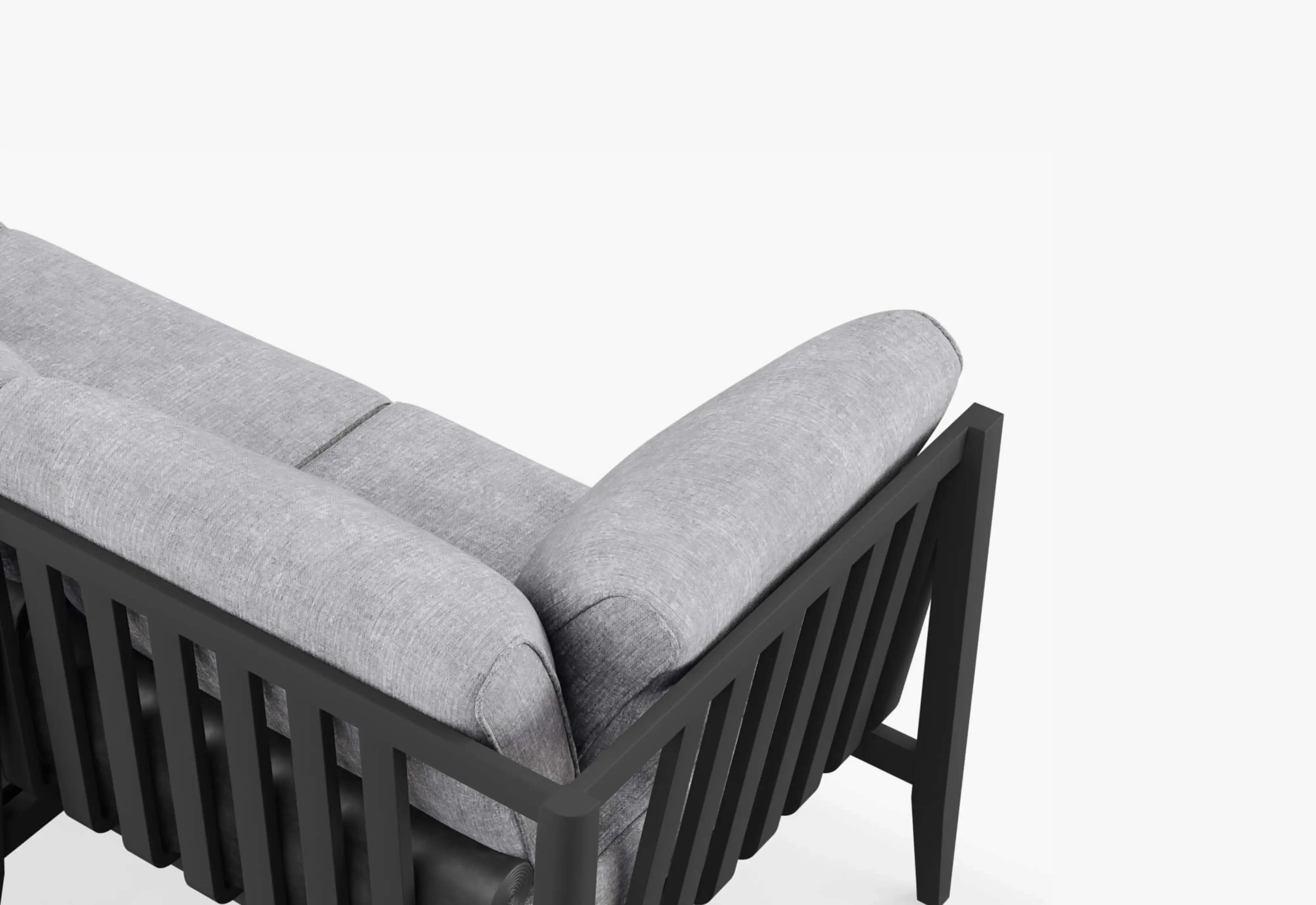
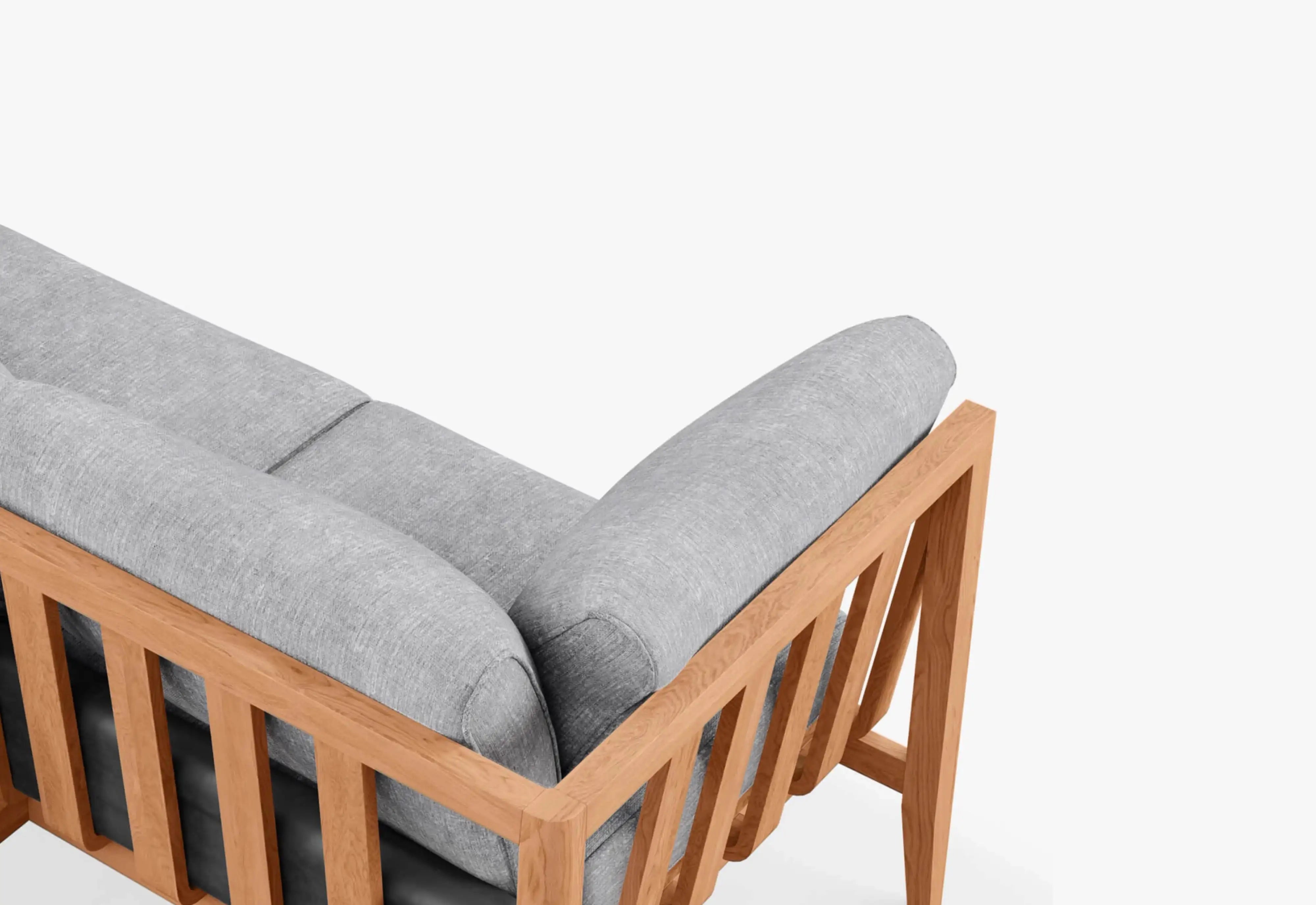
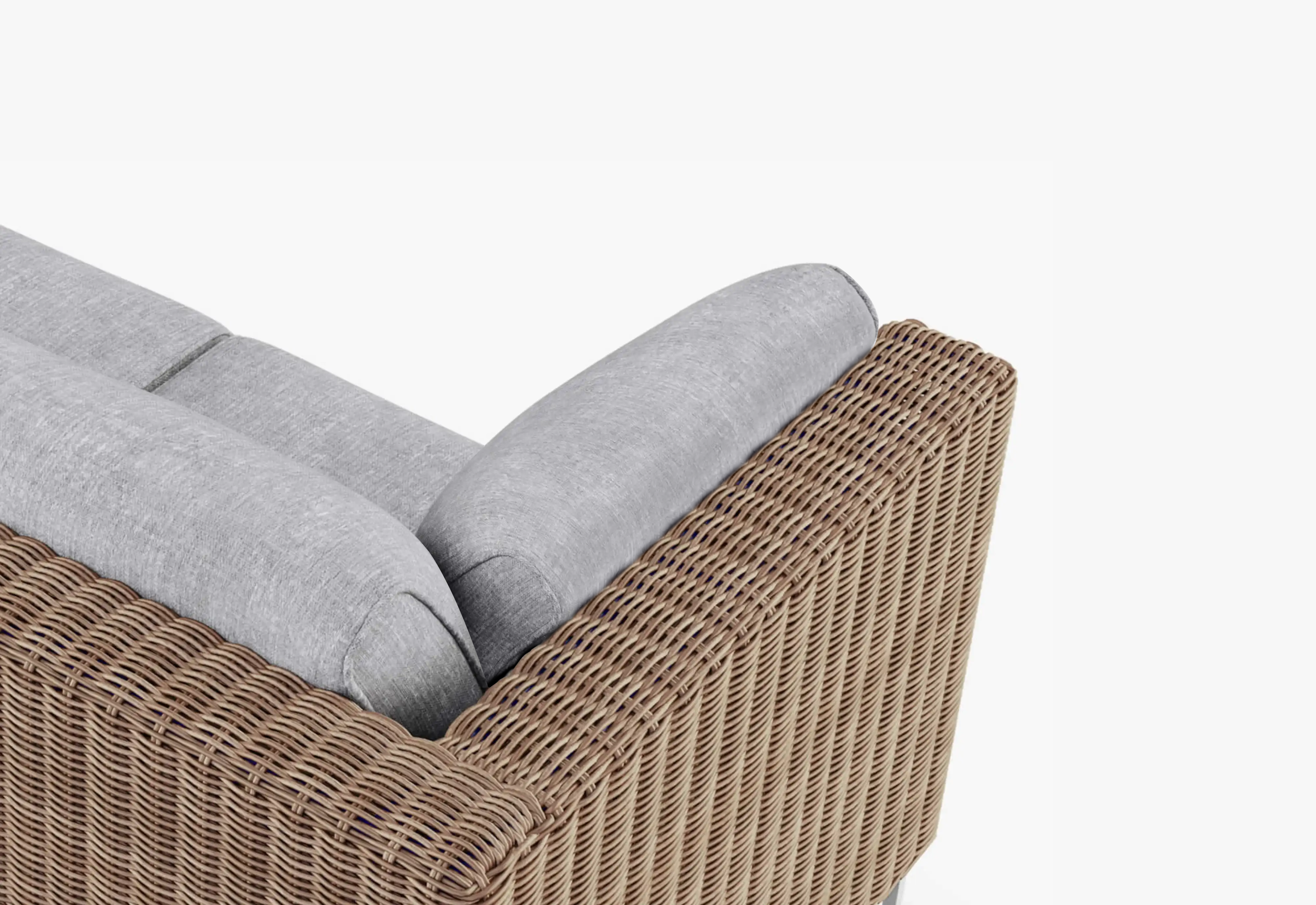
Once the seat mix works, compare the frame, fabric, and care needs of the exact pieces. The featured aluminum seating uses OuterCloud cushions with multiple foam layers; trying the furniture remains the best way to decide how that feel suits you.
For one configuration to examine, the Charcoal Aluminum Outdoor Sofa with Armchairs – 6 Seat combines connected sofa seating with two independent armchairs. Review its current component list, measurements, and selected options. Tables and other accessories shown in styled settings should be checked separately.
Think about how you will prepare the seats between visits, too. Follow the furniture's care instructions, allow wet components to dry before covering, and choose appropriate protection for your exposure and periods of non-use. Keep that routine manageable for the people who look after the patio.
Explore the Six-Seat Sofa & Armchair Arrangement →Common Questions
Questions About Outdoor Seating for Family Gatherings
Can I keep the outdoor sofa I already own?
Yes, if it still works for the way you sit. Place it in the proposed arrangement first, then identify what is missing: independent seats, a useful table, or a better route. Compare new pieces with its actual dimensions rather than furnishing around an empty-patio assumption.
How should I plan for occasional family visits?
Start with the people who use the patio regularly, then check how additional seats would fit during visits. Confirm where those pieces will go between gatherings. If you intend to add connected modules later, verify compatibility and availability before relying on that plan.
Should all the seats match?
They can match visually while serving different preferences for personal space and arm placement. When combining collections, compare dimensions, finishes, and care requirements. Visual coordination does not establish modular compatibility.
Is an ottoman an extra seat?
Count it only if the manufacturer identifies it for seating and it suits the intended user. Otherwise, keep it as a footrest or its stated function. Do not use a coffee table or sofa arm to make up the guest count.
Live Better. Outside.
Make Room for the Way Your Family Sits
Bring your patio measurements, photos, and a short list of seating preferences to a complimentary outdoor design consultation. Include the people who use the space every day and those who join you for family gatherings. The aim is a place where everyone can choose a seat, settle in, and stay part of the afternoon.
Get Free Design Help
