

Outdoor Living Ideas · Family Backyard Design
How to Build a Backyard Fort: Creative Plans & Family Patio Layout Ideas
Build a backyard fort that gives kids a place of their own, then plan the seating, dining, lighting, and fire pit zones that turn the entire backyard into a comfortable outdoor room for family and friends.
A backyard fort has an almost instant effect on a summer afternoon. A few sheets, a simple wooden structure, or a collection of branches can give kids a place that feels entirely their own—a basecamp for games, books, snacks, and imagination.
But family backyards do more than keep kids entertained. They give adults a comfortable place to sit nearby, bring everyone together for meals, and stay useful long after the afternoon activity is over. By treating the fort as one part of your broader patio layout ideas, the backyard can fit in from playtime to dinner and to a relaxed evening around the fire.

Quick Answer
How Do You Build a Backyard Fort for Family Fun?
To build a backyard fort, choose a safe, shaded spot and select a structure that fits your space, such as a fabric fort, cardboard fort, stick fort, fort-building kit, or permanent wooden fort. Build a stable frame or base, then add soft flooring, pillows, books, games, and simple decorations.
Once the fort is ready, design it as an outdoor "room". Keep outdoor dining within easy reach, layer warm ambient and pathway lighting, and place the fire pit in a clearly separated conversation zone.
Kids get a place to play, while everyone else gets a comfortable setting for meals, guests, and long summer evenings.
5 Backyard Layout Ideas Kids will Love
Before buying materials, match the fort style to your space: flexible fabric for small decks, or permanent timber for large yards. Consider durability, build difficulty, and child involvement.
| Fort Style | Best For | Space Needed | Setup Time | How Long It Lasts |
|---|---|---|---|---|
| Fabric Fort | Quick afternoon play, younger kids, shaded yards | Small | 10–30 minutes | One afternoon |
| Wooden Fort | Longer-term backyard projects with adult help | Medium to large | Weekend project | Multiple years |
| Cardboard Fort | Creative play, painting, easy cleanup | Small | 30–60 minutes | One or two dry days |
| Stick or Branch Fort | Nature play and outdoor exploration | Medium to large | 1–2 hours | Several days or weeks |
| Fort-Building Kit | Repeatable builds and flexible play | Small to medium | 20–45 minutes | Reusable |
The best backyard fort is not the most elaborate one. It is the one that makes your outdoor space feel more fun, more comfortable, and easier to enjoy together.
What Is a Backyard Fort
A backyard fort is a simple outdoor structure made for play, lounging, reading, and imagination. It can be a lightweight afternoon setup or a more built-out backyard project. It is flexible.
That is part of the appeal. A fort can be made from fabric, wood, cardboard, branches, or a mix of simple materials you already have on hand. It can come together in an afternoon or evolve over a few weekends. Either way, it gives kids a place that feels separate from the rest of the yard while still keeping them outside and engaged.
If you want to pair the fort with more outdoor play, Outer’s guide to backyard games for family fun can help you plan a full afternoon around the fort, from scavenger hunts to flashlight hide-and-seek.

Backyard Fort Materials Checklist: Durability & Weather-Resistance
Selecting the most durable outdoor furniture material and build components ensures your fort safe and resilient. Choosing durable outdoor materials and sturdy hardware ensures your fort is safe and built to last.
Kids can assist with decorating and interior styling, while adults should manage construction tools, anchors, and heavy lifting.
Fabric Fort Materials
Sheets, outdoor blankets, rope, clothespins, clips, bungee cords, poles, outdoor furniture, pillows, and a soft ground layer.
Wooden Fort Materials
Wood, screws, drill, level, sandpaper, measuring tape, work gloves, and adult supervision for the full build.
Cardboard Fort Materials
Clean cardboard boxes, tape, washable paint, markers, stickers, scissors for adult use, and simple decorations.
Cozy Setup Materials
An outdoor rug, pillows, blankets, books, card games, coloring supplies, a snack tray, and a basket for storing activities.
How to Build a Backyard Fort Step by Step
1) Choose the Right Fort Style
Start with the kind of backyard fort that fits your space and energy level. A fabric fort is usually the easiest option. A cardboard fort is ideal for creative decorating. A wooden fort takes more time and adult help but can become a longer-term backyard feature.
2) Pick a Safe Backyard Location
Choose level ground with enough room around the fort for kids to move safely. Shade matters, especially during warm afternoons. Avoid placing the fort near grills, fire pits, pools, steep drops, sharp tools, heavy planters, or unstable furniture.
3) Gather Only What You Need
Keep the materials focused. A few sheets, clips, pillows, and an outdoor rug may be enough for a fabric fort. A cardboard fort may only need clean boxes, tape, and markers. A wooden fort should be planned by an adult before any building begins.
4) Build the Frame or Base
For a fabric fort, string a line between two secure anchor points and drape fabric over it. You can also use an outdoor dining table, lounge chairs, or a simple pole frame. For cardboard forts, tape the boxes together, then cut openings with adult help. For wooden forts, build a stable base and keep the structure low, strong, and easy to access.
5) Make the Fort Comfortable
Once the structure is stable, focus on the inside. Add a soft floor layer, a few pillows, a lightweight blanket, and a small place for books or snacks. Comfort is what turns the fort from a quick project into a space kids want to keep using.
6) Add Activities, Books, and Games
A backyard fort becomes more useful when there is something to do inside. Add books, puzzles, coloring supplies, card games, small toys, or dress-up pieces. The fort can become a quiet reading corner in the morning and a basecamp for backyard adventures in the afternoon.
7) Add Final Touches
Let kids help with the finishing details. A handmade sign, a paper flag, simple artwork, a basket of snacks, or a few battery-powered lights can make the fort feel personal without making the setup harder to manage.

Safety Tips for Building a Kid-Friendly Backyard Fort
A backyard fort should feel playful, but it should still be built with care.
Keep the structure low and stable, especially for younger kids. For furniture setups, make sure every piece is steady and properly placed before adding fabric or weight.
Check the Ground
Choose a flat area. Remove rocks, sharp sticks, tools, garden equipment, and anything that could trip kids as they move in and out.
Keep It Low
Raised forts, ladders, platforms, and wood projects need adult planning and supervision. For younger kids, ground-level forts are usually the better choice.
Watch the Weather
Bring fabric, pillows, books, and cardboard inside before rain or strong wind. Let soft layers dry fully before storing them away.
How to Make a Backyard Fort Cozy
A fort becomes much more enjoyable once it feels comfortable inside. Begin with the foundation: a high-performance outdoor rug defines the play zone and offers plush comfort underfoot.
Outer’s 1188 Eco-Friendly Outdoor Rug provides an ideal foundation—offering cloud-like softness while effortlessly resisting dirt and weather exposure. Adding an anchor rug immediately transforms a temporary play tent into an architectural room within your landscape.
Complete the interior with OuterWeave® performance fabrics throw pillows and throw blankets that offer stain and fade resistance. To safeguard surrounding seating when not in use, protect your furniture with custom waterproof outdoor furniture covers. For pest-free evening relaxation, layer in an Outdoor Bug Shield Throw Blanket infused with Insect Shield® technology.
Backyard Fort Activities for Kids
Once the structure and soft layers are in place, think about what will help the fort stay interesting. Books, puzzles, coloring supplies, and card games all work well because they invite kids to slow down and use the space in different ways.
Reading Corner
Add a small basket of books, a few pillows, and a blanket. This works especially well in the morning or after active outdoor play.
Art Studio
Use cardboard, paper signs, washable markers, and simple craft supplies so kids can decorate the fort from the inside out.
Backyard Basecamp
Use the fort as the starting point for scavenger hunts, backyard games, nature collecting, or pretend camping.
Movie Night Nook
Add soft layers, snacks, and a nearby seating area so the fort can become part of a simple outdoor movie night setup.
Small decorative details can make the fort feel more personal.
A handmade sign, a flag, a string of paper decorations, or artwork taped inside can help kids feel like they helped create the space rather than simply playing in something built for them.

Designing an Outdoor Room: Integrating Play, Seating, & Dining Zones
True outdoor living is yet to begin. While the fort anchors the children's play zone, surrounding areas should reflect your sophisticated outdoor lifestyle.
Play Zone
Fort building, reading, games, imagination, and a soft place to land.
Explore fort ideasConversation Zone
Comfortable seating where adults can relax while keeping the play area in view.
Plan the seatingDining Zone
A practical place for snacks, family meals, crafts, and larger gatherings.
Plan outdoor diningEvening Zone
Layered lighting, fireside conversation, blankets, and time outside after dark.
Build the evening zone
Create a Comfortable Outdoor Lounge
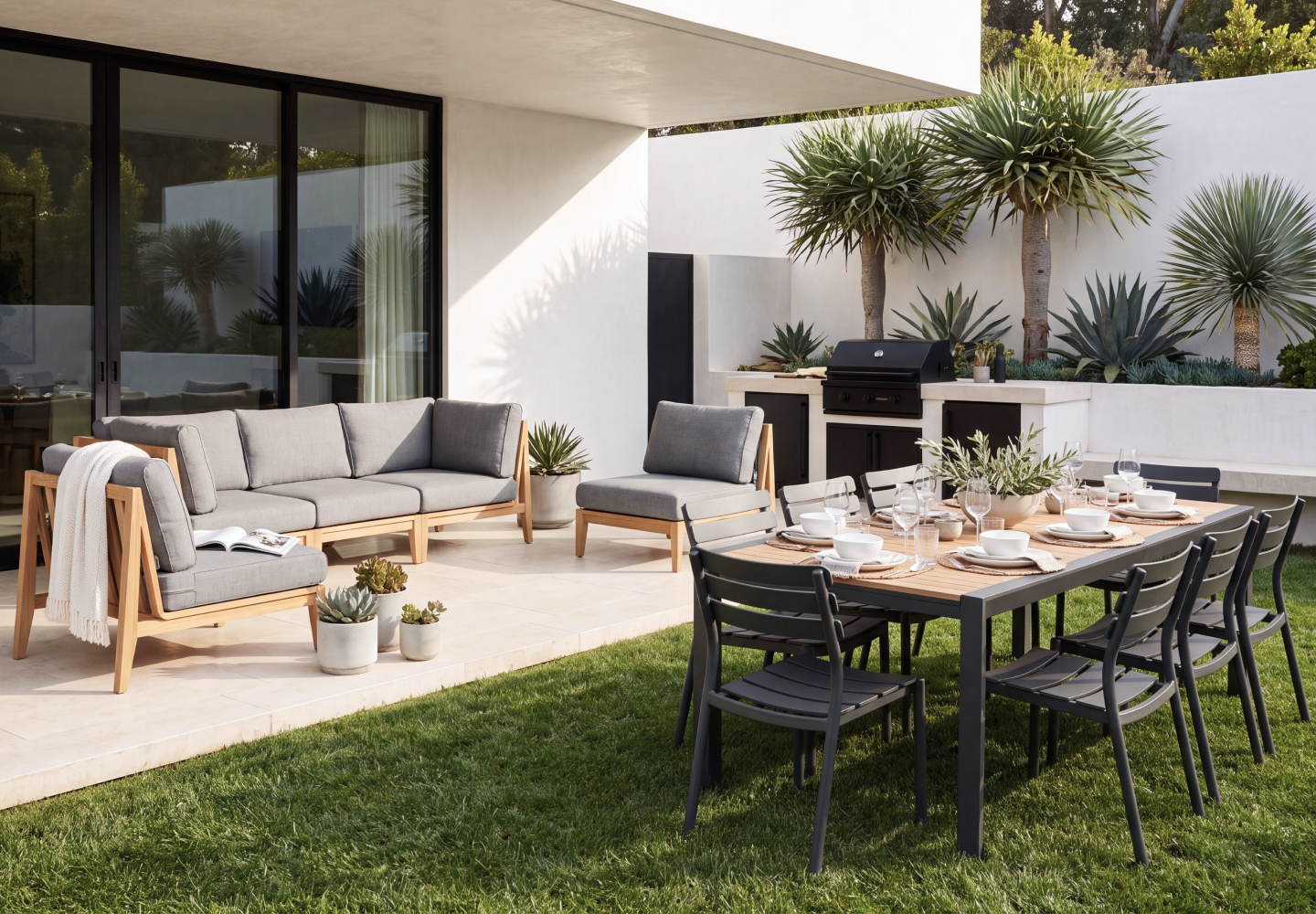
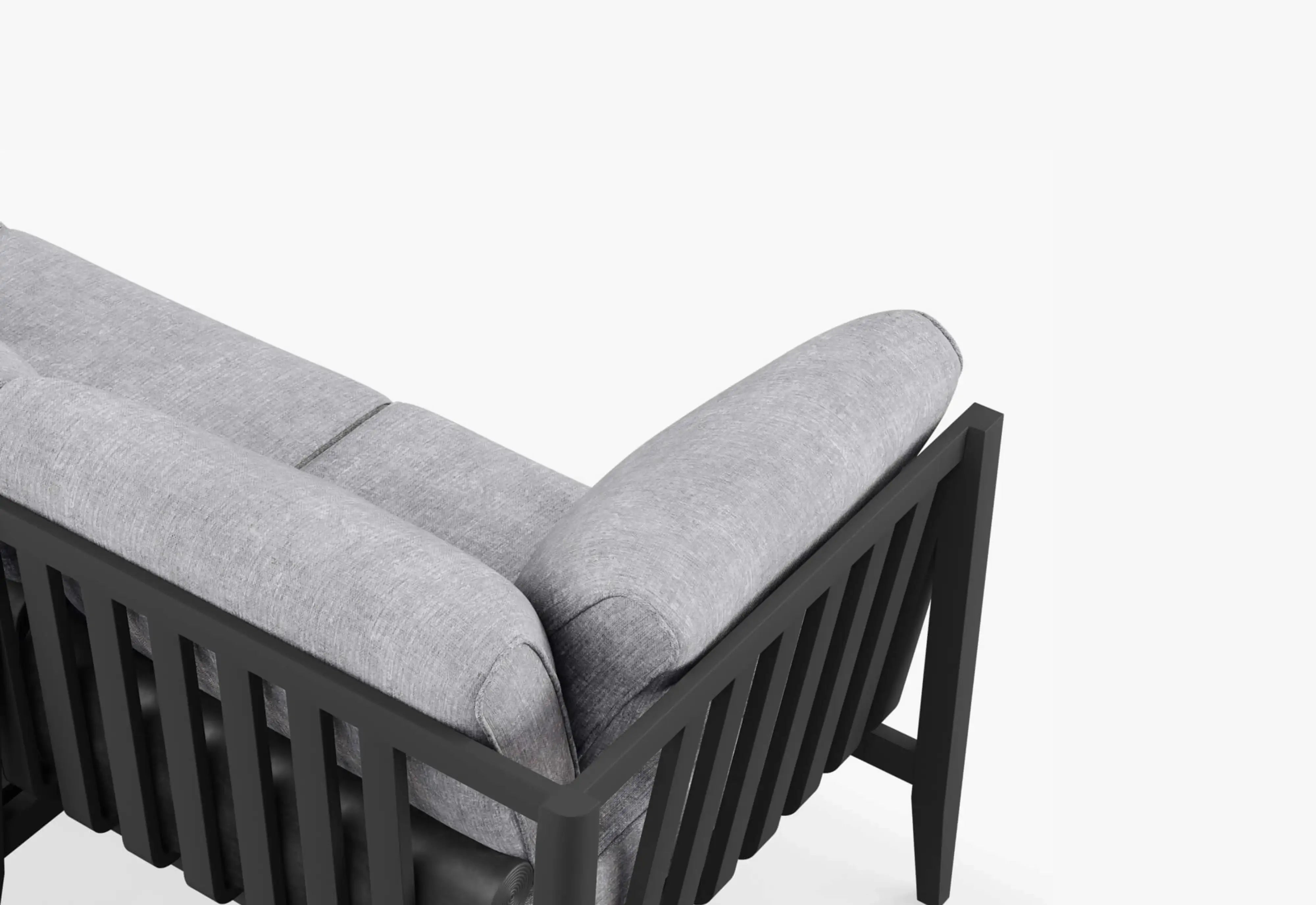
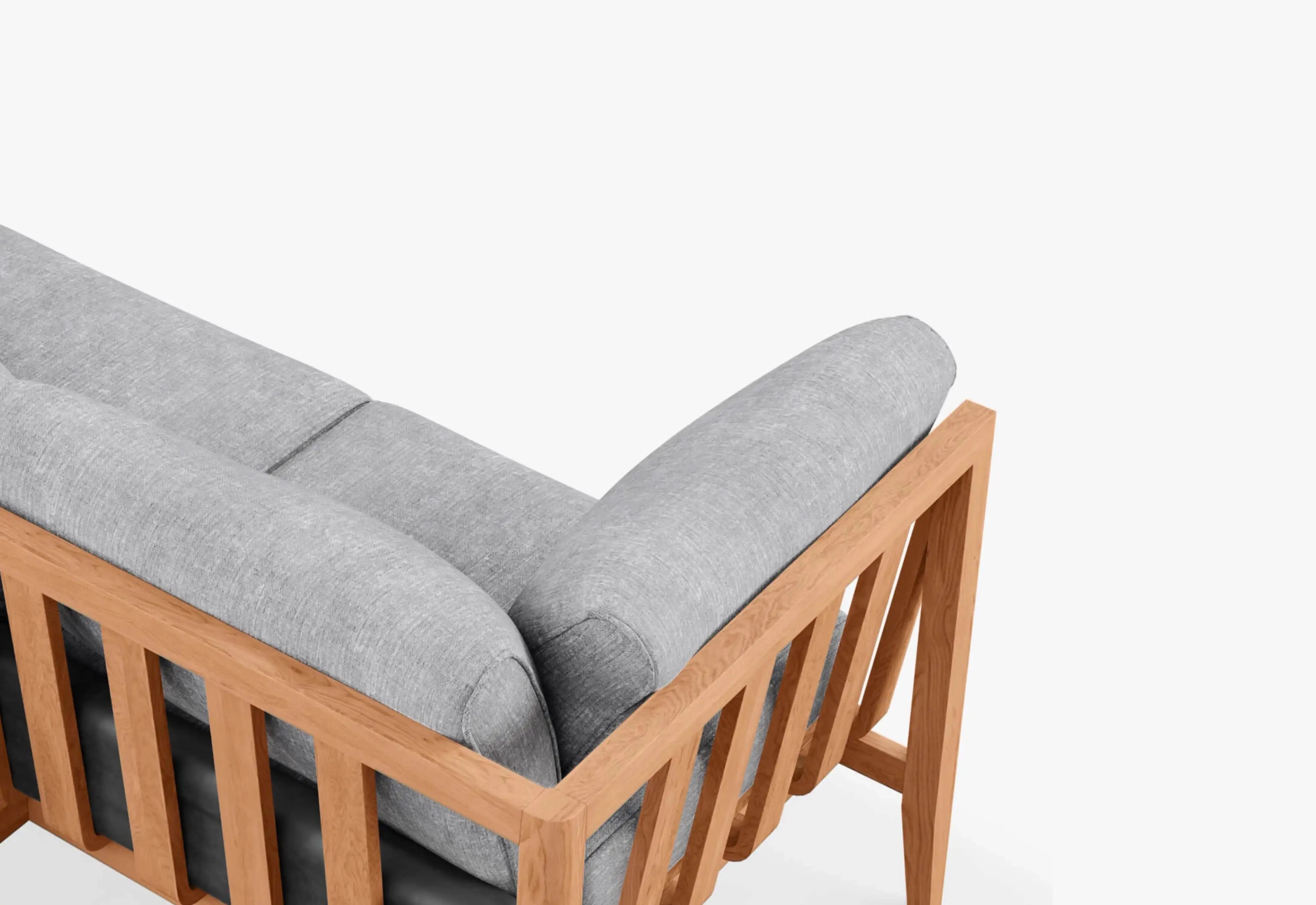
Position adult seating where sightlines to the fort remain clear without encroaching on play. For high-humidity coastal climates such as Florida or Melbourne, selecting a powder-coated Aluminum Outdoor Sofa or grade-A Teak Outdoor Sofa ensures ultimate weather resistance and timeless design.
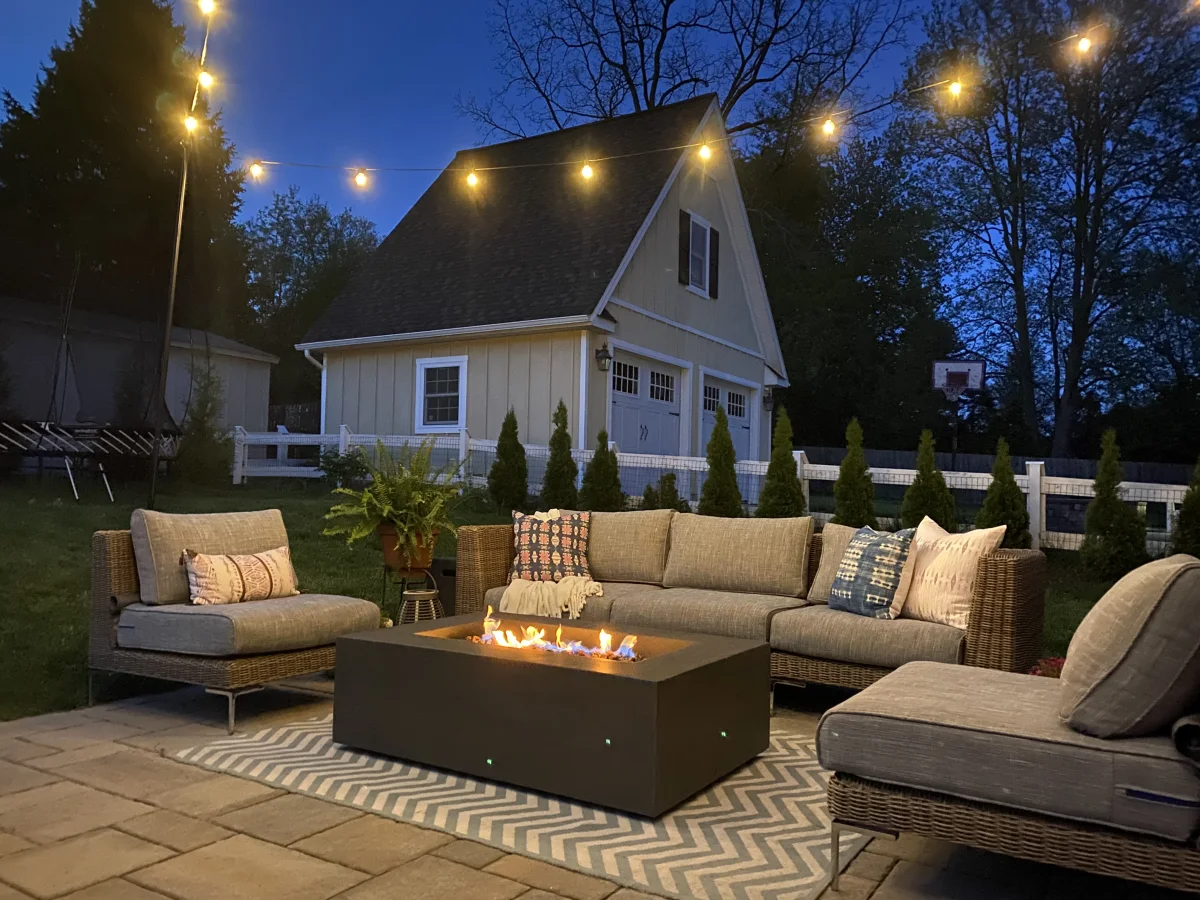
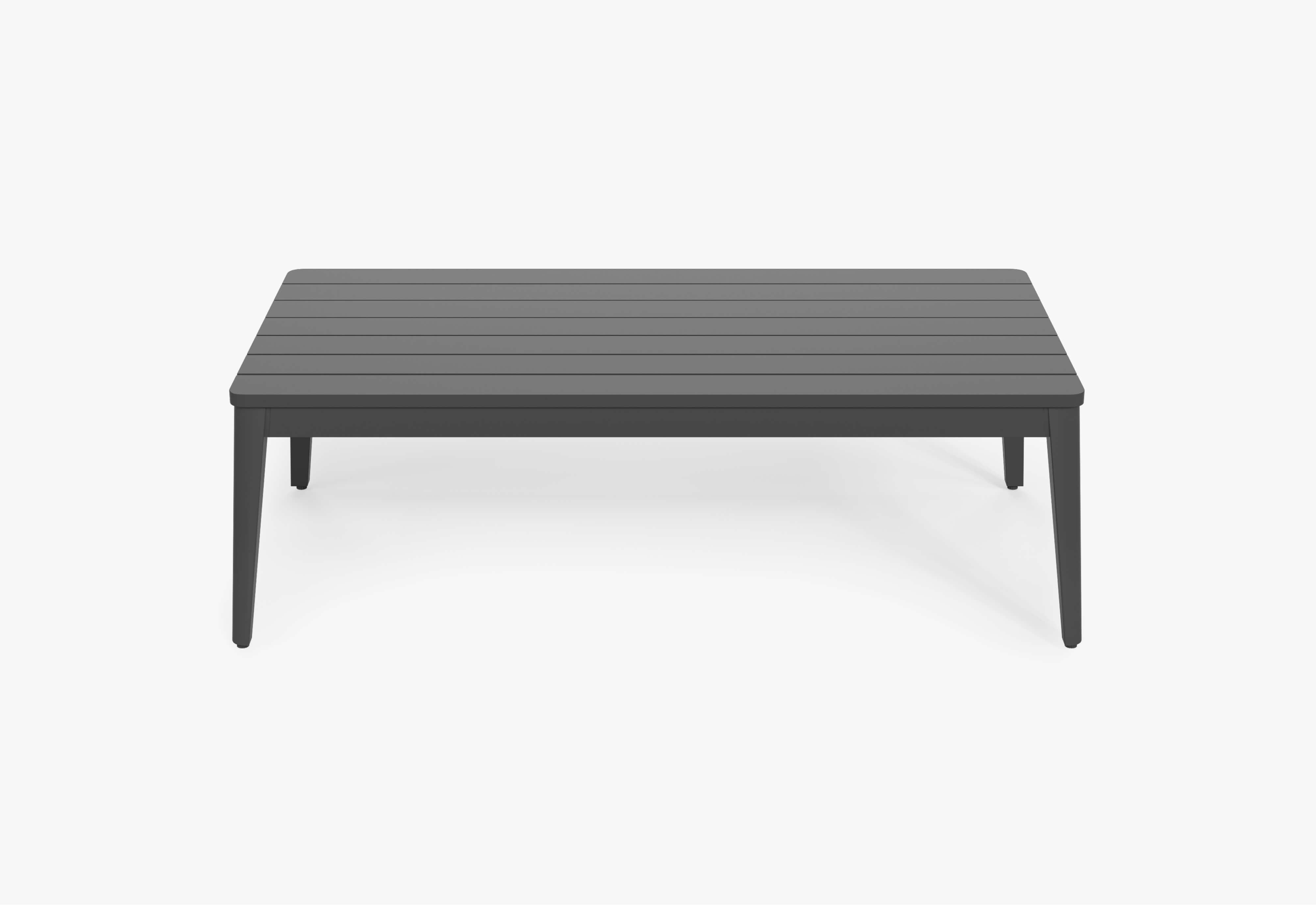
Arrange seating in L-shaped or U-shaped configurations around a central coffee table or fire pit. This fosters natural conversation and effortless hosting during family afternoons.
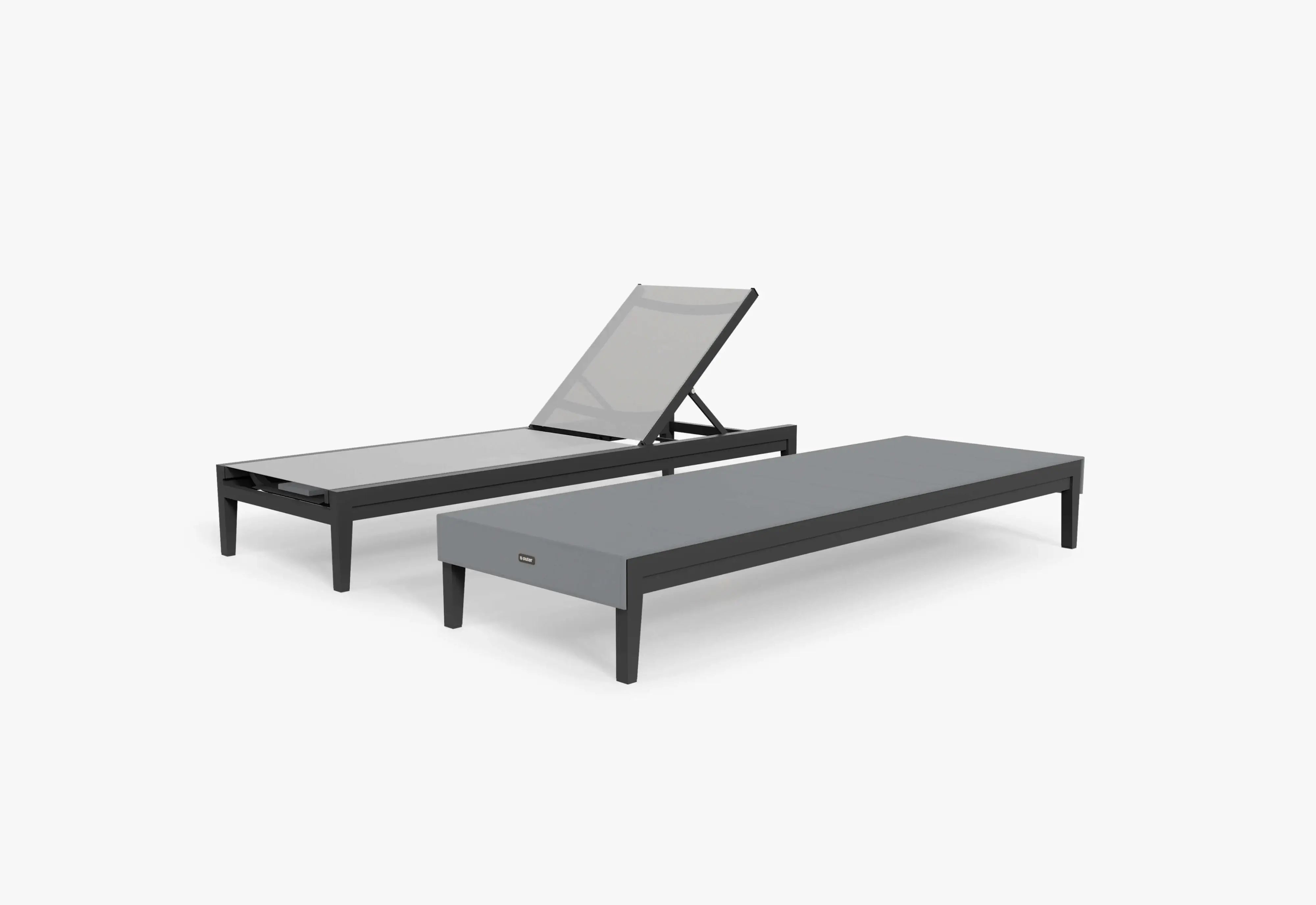
Outer’s outdoor sofas and sectionals feature stain-resistant cushions and built-in OuterShell® protective covers. Explore custom arrangements using the Outer Sofa Configurator or pair poolside lounging with sleek teak/aluminum chaise lounges.

Add an Outdoor Dining Area for Family Meals
An outdoor dining setup creates a gathering space where kids can transition from fort games to family dinners. Select an extendable outdoor dining table or oval outdoor dining table to comfortably accommodate unexpected weekend guests.
Position dining areas adjacent to the kitchen while preserving clear sightlines to the lawn. Explore Outer outdoor dining tables and sets crafted from sustainably sourced teak, rustproof aluminum, and durable OuterStone® engineered surfaces.

Layer Outdoor Lighting for Evening Gatherings
Lighting allows a family backyard to shift from an afternoon play space into an evening outdoor retreat.
Combine soft ambient layers, task lighting near the grill, and pathway fixtures for safe navigation between the fort, lounge, and dining zones.
Ambient Lighting
String lights, wall fixtures, pergola lighting, and indirect landscape lighting establish the overall mood.
Task Lighting
The dining table, grill, steps, and food preparation areas need focused light for practical use.
Pathway Lighting
Low lighting should make routes between the house, fort, dining area, seating, and fire pit easy to follow.
For a deeper plan, see our guide to outdoor lighting for dining and entertaining.


Finish the Evening Around a Fire Pit
As twilight approaches, a fire table becomes the focal point of the evening. Surround your fire feature with deep-seated sectionals or create a custom sunken fire pit seating nook for intimate fireside conversation. Keep complementary coffee and side tables close by for drinks and evening refreshments.
Multifunctional fire pit tables transition effortlessly from daytime tabletop surfaces to flickering evening warmth. Discover layout inspiration in our Fire Pit Ideas guide.

3 Backyard Layouts for Small, Medium, and Large Yards
Small Space
Compact Patio
Place a temporary fabric fort at the edge of the patio or lawn. Use compact seating with a clear view of the entrance, then let a fire pit table serve as both an everyday surface and evening focal point.
- Temporary fort
- 2–4 adult seats
- Multifunctional fire pit table
Medium Space
Family Backyard
Keep the fort along one side of the lawn, dining close to the house, and a separate sofa-and-fire-pit zone beyond or beside the table. Parents retain sightlines from both adult zones.
- Defined play zone
- 4–8 seat dining
- Modular conversation area
Large Space
Complete Outdoor Room
Create dedicated play, dining, lounge, and fire pit areas connected through paths, lighting, landscaping, and repeated materials. Give every zone enough space without scattering them too far apart.
- Four connected zones
- Extendable dining
- Large sectional or sofa set
One Backyard · A Full Day Outside
From Afternoon Fort to Dinner and Fireside Time
Build and Play
Kids assemble, decorate, and settle into the fort while adults prepare the nearby seating area.
Snacks and Quiet Time
The fort becomes a reading nook while adults relax in the conversation zone.
Outdoor Dinner
Everyone moves to the dining table, with the play area still visible nearby.
Lights On
Ambient and pathway lights connect the backyard and prepare it for after-dark use.
Gather Around the Fire
The family finishes the day with conversation, blankets, and s'mores in the separate fire pit zone.
Outer Product Picks for Every Backyard Zone
Choose the pieces that support how the backyard will actually be used. High-value seating, dining, and fire pit products build the main outdoor room; rugs, pillows, and blankets add flexible comfort around the fort and adult zones.
Shop by Zone
Build the Outdoor Room Around the Fort
Start with the spaces that need to work every day, then add soft layers that move wherever the family gathers.
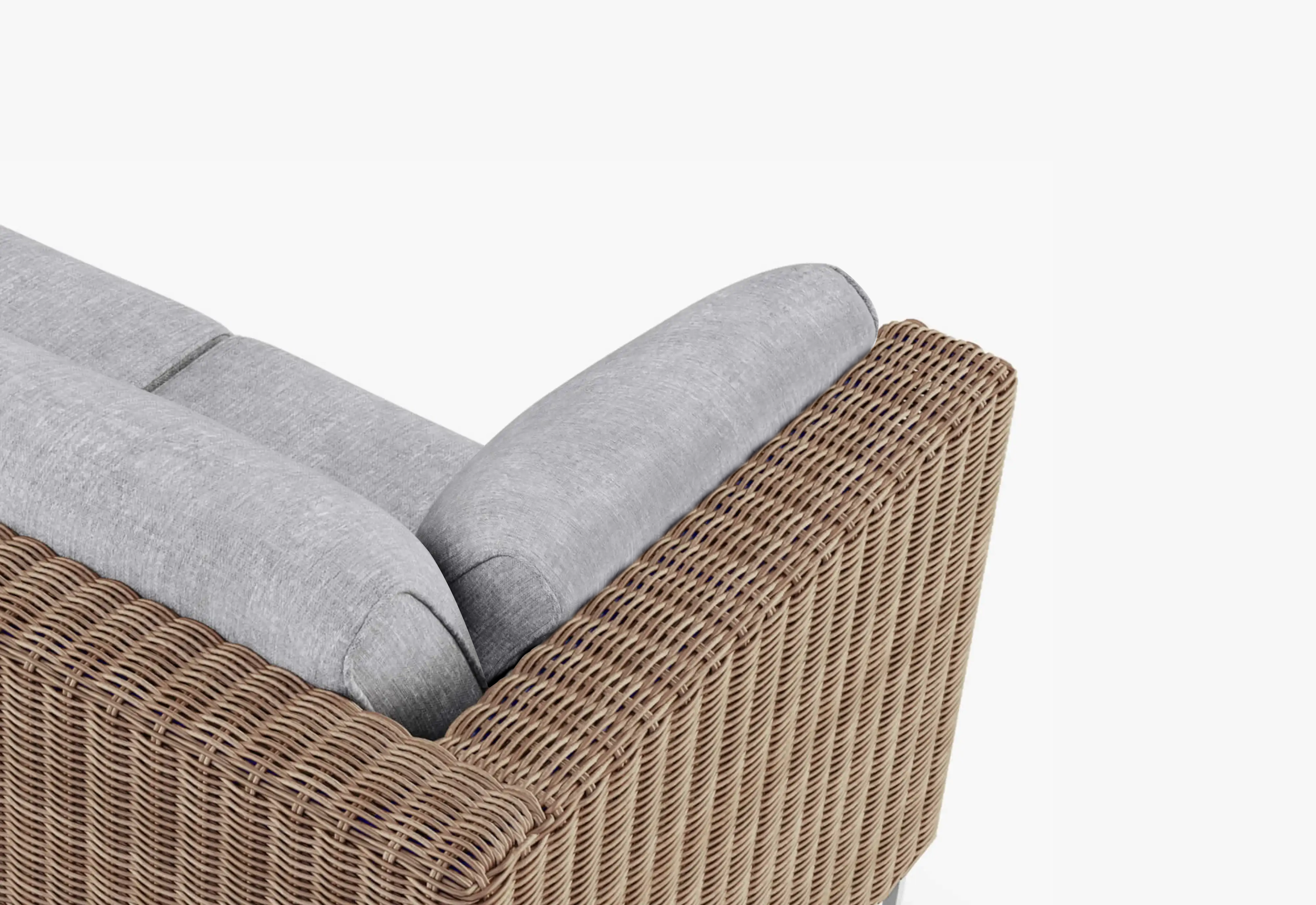
Outdoor Sofas & Sectionals
Comfortable seating with layouts for small families and larger gatherings.
Compare modular aluminum, teak, and wicker seating with washable cushions and built-in OuterShell® protection.
Outdoor Dining Tables & Sets
For everyday family meals and guest lists that grow.
Explore aluminum, teak, and OuterStone® dining, including extendable layouts with flexible seating capacities.
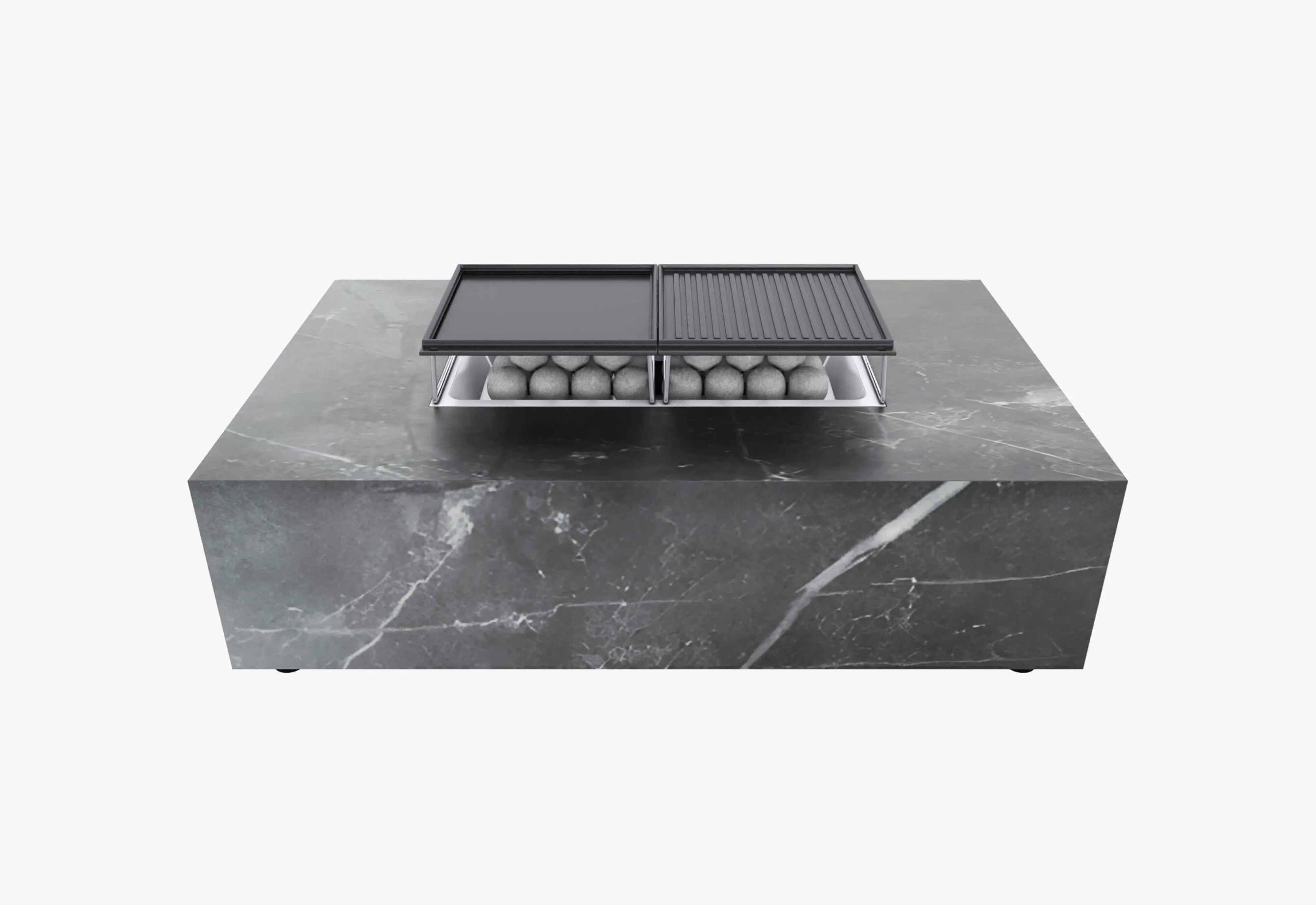
Outdoor Fire Pits & Fire Pit Tables
A natural gathering point for conversation after dinner.
Compare Concrete and OuterStone® fire pit tables, including 3-in-1 configurations that can function as a fire pit, table, and grill with the appropriate Cooking Set.

Rugs, Pillows & Bug Shield Blankets
Soft layers that move from the fort to the sofa and fire pit.
Use an outdoor rug to define the play area, washable pillows for flexible comfort, and a Bug Shield Throw Blanket for evenings when insects are active.
Complete the Space
Choose a Bundle for the Way Your Backyard Works
A coordinated bundle removes the guesswork from combining seating, dining, and fire. Start with the footprint and the moments you want the space to support.

For a Compact Evening Zone
The Elevated Campfire Bundle
Four Adirondack seats, coordinating cushions and covers, and a round Concrete Fire Pit Cooking Set create an easy fireside destination without requiring a full sectional.
Explore the Bundle
For a Family Conversation Zone
The Bestselling Alfresco Lounge Bundle
A five-seat charcoal aluminum sofa arrangement, multifunctional ottomans, and an OuterStone rectangular fire pit create a complete lounge for adults and guests.
Explore the BundleFor a Complete Outdoor Room
Charcoal Aluminum Sofa + 8 Seat Dining Set
Pair a five-seat modular sofa with a full eight-seat dining area to support supervision, everyday meals, and larger family gatherings in one coordinated design.
Explore the BundleCreate a Backyard That Grows With Your Family
A fort may begin as a place for stories, games, and imagination, but the surrounding outdoor room can continue to serve the family for years. As children grow, a temporary fort area can become a reading nook, garden, hammock corner, or additional lounge space. Modular seating can be rearranged, an extendable table can support larger gatherings, and a fire pit can continue bringing everyone together long after the toys have been put away.
The goal is not to design a backyard around one activity. It is to create a flexible outdoor room where different people can enjoy the same space in different ways. Kids get a place that feels like their own. Adults get somewhere comfortable to sit, eat, host, and unwind. Together, the family gets a backyard worth returning to.
Live Better. Outside.
Related Reading
Live Better. Outside.
Design the Whole Backyard Around Real Family Life
Bring together modular seating, outdoor dining, fire pits, and flexible accessories to create an outdoor room that works from afternoon play through evening gatherings.
Backyard Fort & Family Outdoor Room FAQ
How do you build a backyard fort?
Choose a safe, shaded location, pick a fort style, gather materials, build a stable frame or base, and add soft flooring, pillows, blankets, books, games, and decorations.
What materials do you need to build a backyard fort?
Common backyard fort materials include sheets, rope, cardboard boxes, sticks, branches, tape, twine, pillows, blankets, outdoor rugs, markers, paint, and safety gear. Wooden forts may also need lumber, screws, a drill, sandpaper, and adult supervision.
What is the easiest backyard fort to build?
A fabric fort is usually the easiest backyard fort to build. You can tie rope between two secure anchor points, drape a sheet over it, and add pillows, blankets, books, and games inside.
How do you build a backyard fort without trees?
You can build a backyard fort without trees by using outdoor furniture, poles, a clothesline frame, a pergola, a play tent, or a fort-building kit as the structure.
How do you make a backyard fort cozy?
Start with a soft ground layer, such as an outdoor rug or mat, then add pillows, blankets, books, games, string lights, and a small table for snacks or crafts.
Are backyard forts safe for kids?
Backyard forts can be safe when they are built on level ground, kept low and stable, free from sharp edges, and checked by an adult. Wooden forts, raised forts, ropes, and tools should always involve adult supervision.
How do you design a backyard for both kids and adults?
Create separate but connected zones. Give children a defined play area, position adult seating where the fort remains visible, place dining near the house, and keep the fire pit in a separate evening zone. Connect everything with clear paths, landscaping, repeated materials, and lighting.
Where should adults sit when children are using a backyard fort?
Place a sofa, sectional, or lounge chairs within sight of the fort but outside the main play route. Adults should be able to supervise without sitting directly beside the children or blocking movement between the fort, dining area, and house.
How far should a backyard fort be from a fire pit?
There is no single distance that applies to every fire pit or backyard. Follow the fire pit manufacturer's required clearances and local fire rules. Keep fabric, cardboard, pillows, blankets, and other combustible fort materials in a completely separate zone.
Can a backyard fort become a permanent structure?
Yes, but permanent and elevated forts require more planning than temporary structures. Consider foundations, drainage, materials, access, railings, maintenance, local permits, and professional construction before building.